

Evaluating CNC Machines: A 2026 Buyer’s Guide for Australian Manufacturers
Investing in computer numerical control (CNC) equipment represents one of the most significant capital expenditures for any Australian manufacturing business. According to recent industry analyses, the global CNC machine tool market is projected to grow at a compound annual growth rate of over 6% through 2028, driven by the urgent need for automation in precision engineering. This growth highlights a critical shift in how workshops evaluate their operational capabilities. The decision to upgrade or expand your fleet is no longer just about buying hardware; it is about securing long-term production reliability and technical support. For Australian businesses, navigating this landscape requires a deep understanding of local service infrastructure, brand heritage, and specific machining requirements. (Why QMT About us)
Understanding CNC Evaluation Criteria
When evaluating CNC machinery, the primary focus must shift from initial purchase price to long-term operational value. A CNC machine is a precision instrument that requires consistent maintenance, skilled operation, and reliable spare parts availability. In the Australian context, where logistics can be challenging, local support is not a luxury; it is a necessity. (Brands QMT Machinery)
Reliability is the cornerstone of profitable machining. Machines that break down frequently erode margins through downtime, scrap material, and emergency repair costs. Therefore, the evaluation process must prioritize the manufacturer's reputation for durability and the supplier's ability to provide immediate, expert assistance. This is where the distinction between a mere vendor and a strategic partner becomes clear.
Furthermore, the technological landscape is evolving rapidly. Modern CNC centers are increasingly integrated with internet-based remote diagnostics. This technology allows technicians to monitor machine health in real-time, predicting failures before they occur. According to recent manufacturing efficiency reports, workshops utilizing remote diagnostic tools see a significant reduction in unplanned downtime. This capability is becoming a standard expectation for high-performance operations.
Milling vs. Turning: Choosing the Right Platform
The first technical decision in your evaluation is determining the type of machining required. The two primary categories are milling and turning, each serving distinct geometric and material needs.
Milling Machines and Machining Centres
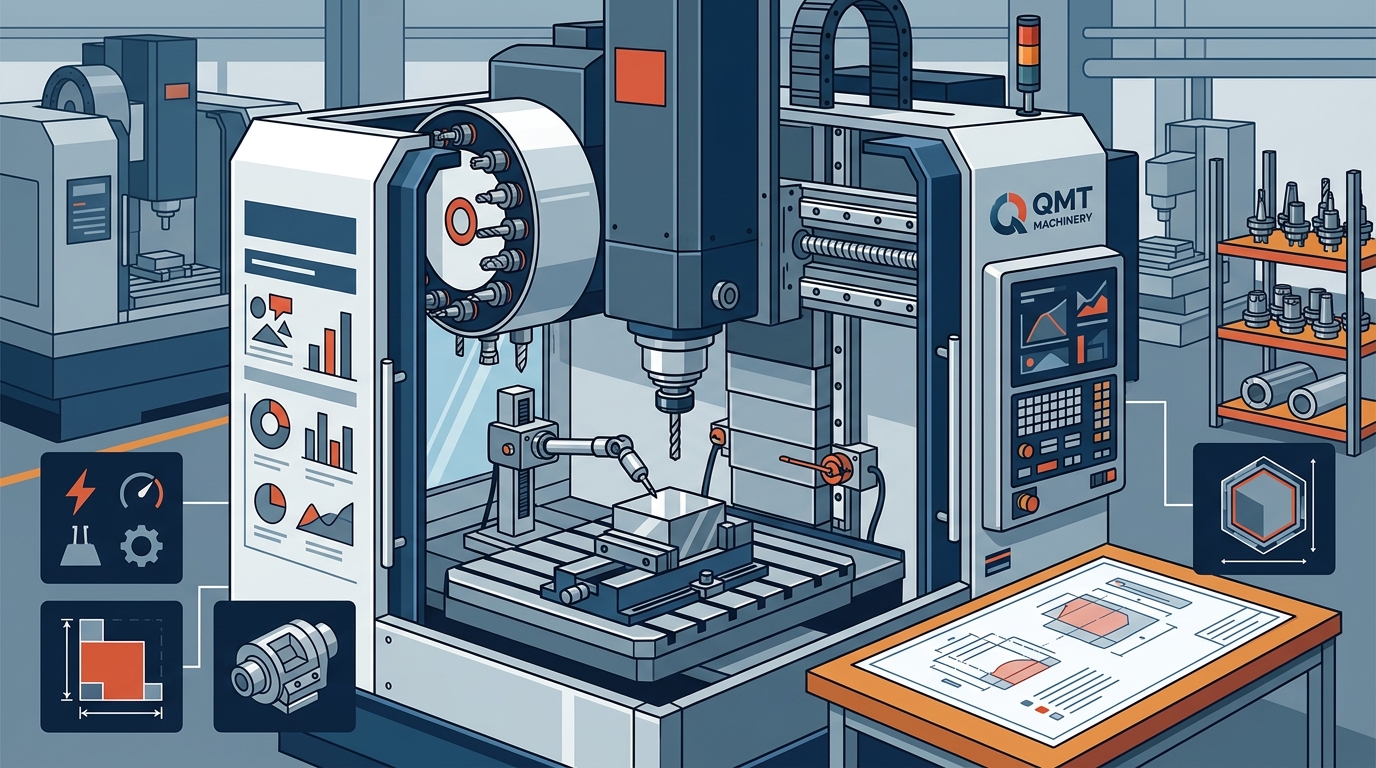
Milling involves removing material from a stationary workpiece using a rotating cutting tool. This process is essential for creating complex 3D shapes, slots, and holes. For general engineering workshops, manual milling machines offer versatility and lower entry costs. However, for high-volume or high-precision tasks, CNC machining centres are indispensable. These machines automate the cutting process, ensuring repeatability and allowing for unattended operation during overnight shifts.
Large machining centres are particularly valuable for aerospace and heavy engineering sectors in Australia. They provide the rigidity and power needed to cut large volumes of metal efficiently. When evaluating these machines, consider the travel distance, spindle power, and tool magazine capacity. These specifications directly impact your ability to handle diverse job types without constant reconfiguration.
Turning Machines and Lathes
Turning is the process of rotating the workpiece against a stationary cutting tool to create cylindrical parts. This is the standard method for producing shafts, bushings, and threaded components. Similar to milling, turning options range from manual lathes to advanced CNC turning centres.
CNC lathes offer superior precision and speed for repetitive tasks. They are often equipped with live tooling, allowing them to perform milling operations while turning. This hybrid capability makes CNC turning centres a powerful choice for workshops seeking to consolidate processes. When evaluating a lathe, pay close attention to the chuck size, maximum turning diameter, and spindle speed range. These factors determine the range of parts you can produce effectively.
The Importance of Brand Heritage and Support
In the machine tool industry, brand heritage is a proxy for reliability. Companies that have operated for decades have refined their engineering through years of feedback and iteration. For Australian manufacturers, partnering with brands that have a long-standing presence in the region ensures access to proven technology and established supply chains.
QMT Machinery, for instance, has been serving the Australian market since 1967. This longevity is not accidental; it is the result of a commitment to quality and customer success. By working with established brands, you are leveraging decades of engineering excellence. These brands have been tested in harsh industrial environments and have proven their durability over time.
Moreover, brand reputation often correlates with the quality of after-sales support. Reputable manufacturers invest heavily in training their service teams and stocking spare parts. This ensures that when a machine requires maintenance, the necessary components and expertise are available locally. This reduces the risk of prolonged downtime, which can be catastrophic for production schedules.
Service Infrastructure and Remote Diagnostics
The evaluation of a CNC machine must include a thorough assessment of the local service infrastructure. A high-quality machine is only as good as the support behind it. In Australia, the geographic spread of manufacturing hubs means that rapid response times are critical. Workshops cannot afford to wait weeks for a technician to arrive from interstate or overseas.
This is where local expertise becomes invaluable. Suppliers with a strong local presence, such as those based in Victoria, can provide immediate on-site support. They understand the specific challenges of the Australian manufacturing environment, from power supply variations to material sourcing. This local knowledge allows them to offer tailored solutions that generic international vendors cannot match.
Additionally, the integration of remote diagnostics is transforming service delivery. Internet-based machine tool service allows technicians to diagnose issues remotely, often resolving software or configuration problems without a site visit. This technology minimizes disruption to production and accelerates the resolution of mechanical issues. When evaluating suppliers, ask about their remote monitoring capabilities and their average response time for on-site visits.
Total Cost of Ownership Analysis
Evaluating the cost of a CNC machine requires looking beyond the sticker price. The Total Cost of Ownership (TCO) includes purchase price, installation, training, maintenance, energy consumption, and potential downtime costs. A cheaper machine may have a higher TCO if it requires frequent repairs or consumes excessive energy.
Energy efficiency is an increasingly important factor in TCO calculations. Modern CNC machines are designed to minimize power consumption without sacrificing performance. This not only reduces operational costs but also aligns with sustainability goals. According to environmental impact studies, efficient machinery can significantly lower the carbon footprint of a manufacturing facility.
Training is another critical component of TCO. Skilled operators can extract maximum value from a CNC machine, while untrained users may lead to errors and damage. Ensure that your supplier offers comprehensive training programs. This investment in human capital pays dividends in productivity and machine longevity.
Key Takeaways
- Longevity Matters: Brands with decades of history, like those supported by QMT Machinery since 1967, offer proven reliability and established support networks.
- Local Support is Critical: Australian workshops benefit significantly from local service infrastructure, ensuring rapid response times and regional expertise.
- Remote Diagnostics: Internet-based monitoring is becoming a standard for reducing downtime and predicting maintenance needs.
- TCO Over Price: Focus on total cost of ownership, including energy, training, and maintenance, rather than just the initial purchase price.
- Brand Heritage: Partnering with manufacturers who have a strong global reputation ensures access to cutting-edge technology and rigorous quality standards.
- Versatility: Consider machines with hybrid capabilities, such as turning centres with live tooling, to maximize operational flexibility.
- Training Investment: Comprehensive operator training is essential for maximizing machine performance and minimizing errors.
Frequently Asked Questions
What is the difference between a manual lathe and a CNC lathe?
A manual lathe requires the operator to control all movements by hand, offering flexibility for one-off jobs. A CNC lathe uses computer programs to automate the cutting process, providing higher precision, repeatability, and efficiency for production runs.
Why is local service support important for CNC machines?
Local service support ensures rapid response times for repairs and maintenance. This minimizes downtime, which is crucial for maintaining production schedules and meeting customer deadlines in the Australian manufacturing sector.
How does remote diagnostics work for CNC machines?
Remote diagnostics allows technicians to connect to the machine via the internet to monitor performance, diagnose issues, and update software. This enables proactive maintenance and faster resolution of problems without immediate on-site visits.
What should I consider when evaluating a CNC milling machine?
Key factors include travel distance, spindle power, tool magazine capacity, rigidity, and the availability of local spare parts. These specifications determine the machine's capability to handle your specific material and geometric requirements.
Is it better to buy new or used CNC machinery?
While used machinery can offer lower upfront costs, new machines often come with warranties, latest technology, and comprehensive training. For critical production roles, new machinery from reputable brands typically offers a better return on investment through reliability and efficiency.
What is the role of a machining centre in modern manufacturing?
A machining centre is a CNC machine that combines milling and drilling operations. It allows for complex part production in a single setup, reducing handling time and increasing accuracy. This makes it essential for high-precision industries like aerospace and automotive.
How can I reduce the total cost of ownership for my CNC equipment?
Reduce TCO by investing in energy-efficient machines, providing thorough operator training, utilizing remote diagnostics for preventive maintenance, and partnering with suppliers who offer competitive service contracts.
Next Steps for Your Workshop
Evaluating CNC machinery is a complex process that requires careful consideration of technical specifications, brand heritage, and service infrastructure. By focusing on long-term value and local support, you can make an informed decision that drives your business forward. QMT Machinery offers a comprehensive range of milling, turning, and grinding solutions backed by decades of Australian expertise.
Ready to upgrade your workshop? Contact QMT Machinery today to discuss your specific requirements and explore our market-leading machine tools. Our team is ready to help you find the perfect solution for your manufacturing needs.