Local vs Overseas Turnkey CNC: Key Differences for Australian Workshops
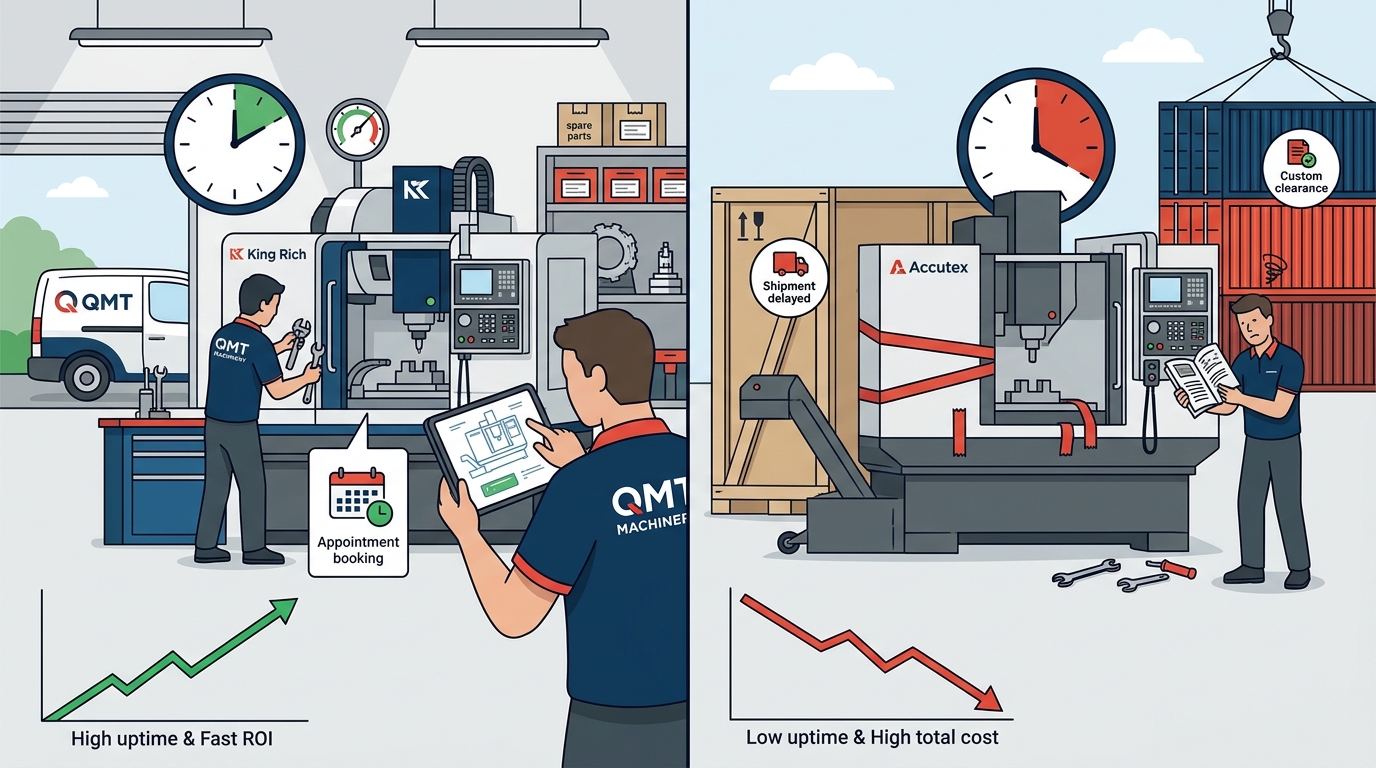
Buying turnkey CNC solutions locally in Australia provides immediate installation, local technical support, and compliance with Australian safety standards, whereas importing overseas offers lower upfront costs but introduces significant risks regarding shipping delays, warranty enforcement, and lack of on-site service. For Australian manufacturers, the total cost of ownership often favors local suppliers who provide comprehensive after-sales support and rapid response times.
The Critical Role of Local Technical Support
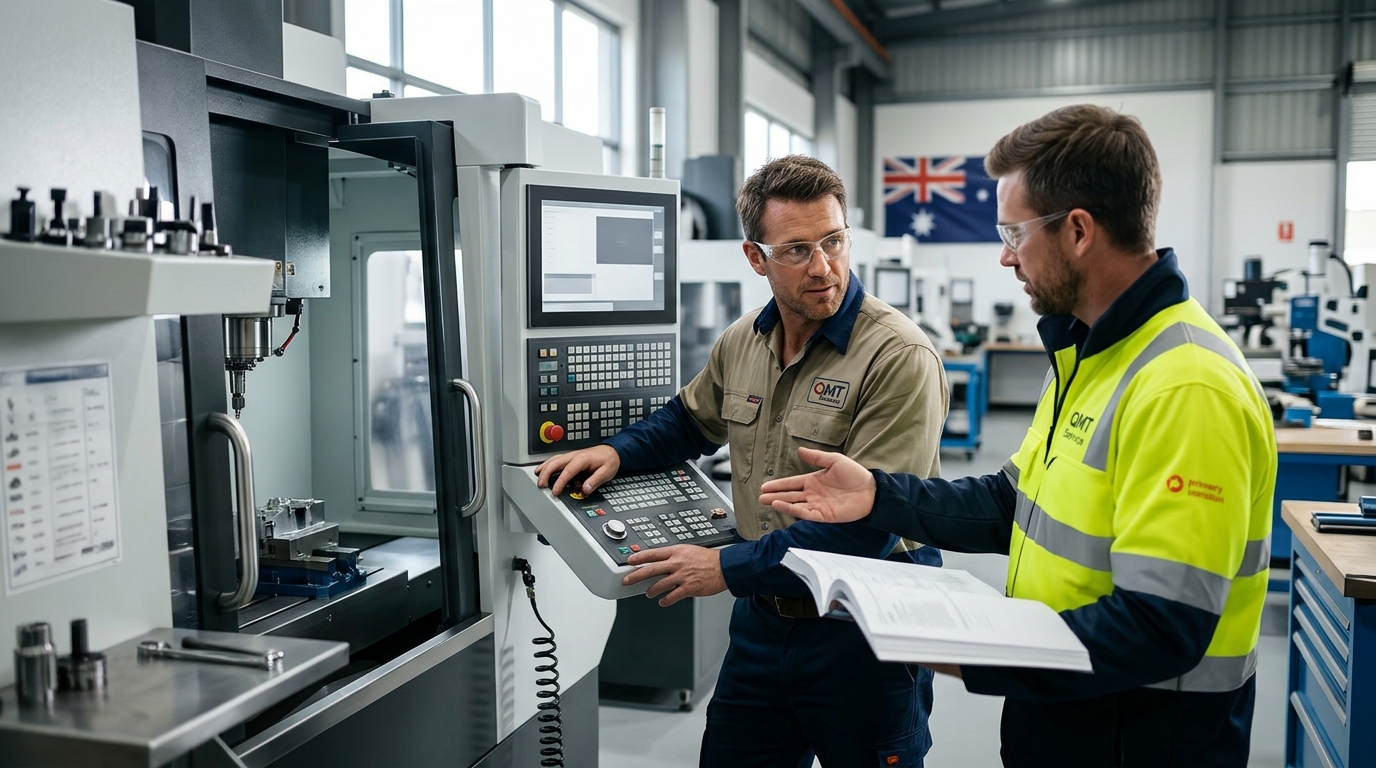
Turnkey CNC solutions are complete machining packages that include the machine, software, tooling, and installation services. When a machine fails, the difference between a local supplier and an overseas importer is the speed of resolution. Local distributors like QMT Machinery maintain warehouses in Melbourne, Sydney, and Perth, allowing for rapid dispatch of spare parts and on-site technician visits. Overseas imports often require international shipping for even minor components, leading to downtime that can cost thousands of dollars per day in high-volume production environments.
Local support also extends to operator training and application engineering. QMT Machinery provides installation, commissioning, and operator training as part of their service offering. This ensures that your staff are proficient with the specific machine model and software interface from day one. Without this local hand-holding, overseas buyers often struggle with complex CNC programming and maintenance tasks, leading to underutilization of the equipment.
Compliance, Safety, and Power Standards
Machine tools are subject to strict safety and electrical regulations. In Australia, machinery must comply with the Australian Standard AS/NZS 3000 for electrical installations and specific safety standards for machine tools. Overseas machines, particularly those from regions with different voltage and frequency standards, may require significant modification to meet Australian compliance requirements. These modifications can be costly and may void the manufacturer's warranty if not performed by authorized personnel.
Local suppliers ensure that all machines are pre-configured for Australian power supplies (415V 3-phase 50Hz) and include necessary safety guards and emergency stop systems. This compliance is not just a legal requirement but a critical factor in maintaining a safe workplace. QMT Machinery sources machines from reputable manufacturers like King Rich and Ace Micromatic, ensuring that the equipment meets international quality benchmarks while being adapted for the Australian market.
Total Cost of Ownership vs Upfront Price
While overseas imports often appear cheaper on the invoice, the total cost of ownership (TCO) is a more accurate metric for long-term value. TCO includes the purchase price, shipping, customs duties, installation, training, maintenance, and downtime costs. A machine that is 20% cheaper upfront but requires frequent international shipping for parts and lacks local service support can end up costing significantly more over a five-year period.
Lead Times and Supply Chain Reliability
Supply chain disruptions are a persistent risk in global manufacturing. Importing CNC machines overseas involves long lead times, often ranging from 12 to 24 weeks, depending on the manufacturer and shipping logistics. Delays in customs clearance or port congestion can further extend these timelines, leaving workshops without the equipment they need to meet production deadlines.
Local distributors mitigate this risk by maintaining stock of popular models and critical spare parts in Australian warehouses. QMT Machinery's presence in multiple cities allows for faster delivery and installation. This reliability is crucial for businesses that cannot afford production stoppages. By partnering with a local supplier, workshops can secure their equipment with greater certainty and minimize the impact of global supply chain volatility.
Key Takeaways
- Local suppliers provide rapid technical support and spare parts availability, reducing downtime.
- Overseas imports may offer lower upfront costs but higher total cost of ownership due to shipping and lack of local service.
- Compliance with Australian safety and electrical standards is guaranteed with local suppliers.
- Local distributors offer operator training and application engineering to maximize machine utilization.
- Finance options like rent-to-own are more accessible through local Australian partners.
- Lead times are significantly shorter with local stock, reducing supply chain risk.
Frequently Asked Questions
Is it cheaper to import CNC machines from overseas?
Upfront, yes, but the total cost of ownership is often higher due to shipping, customs, and lack of local support.
Do local suppliers provide training for CNC operators?
Yes, local distributors like QMT Machinery offer comprehensive operator training and commissioning services.
What are the risks of buying non-compliant machinery?
Non-compliant machines may fail safety inspections, leading to fines and forced shutdowns.
How long does it take to import a CNC machine?
Lead times typically range from 12 to 24 weeks, depending on the manufacturer and logistics.
Can I get finance options for local CNC purchases?
What brands does QMT Machinery represent?
QMT Machinery represents brands such as King Rich, Ace Micromatic, Accutex, and Morton.
Conclusion
Choosing between local and overseas turnkey CNC solutions requires a careful evaluation of total cost of ownership, compliance, and support. For Australian workshops, the reliability and expertise of local suppliers like QMT Machinery often outweigh the initial savings of importing. By partnering with a local distributor, you ensure that your investment is protected by comprehensive service, training, and rapid response capabilities. To discuss your specific machining needs and explore the right turnkey solution for your business, contact QMT Machinery today.