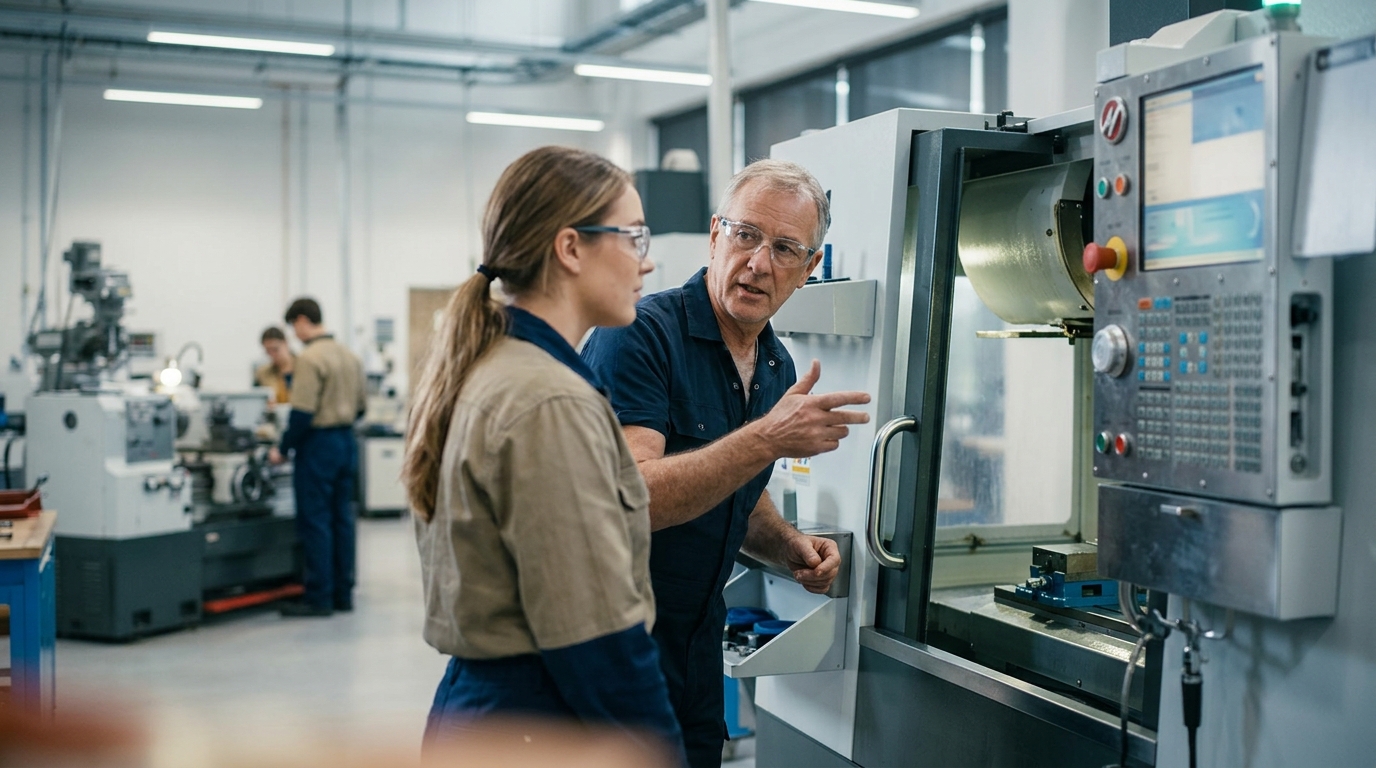
Education institutions across Australia are undergoing a significant transformation in their manufacturing and engineering curricula. According to recent industry reports, over 60% of Australian technical colleges have upgraded their machining fleets in the last five years to align with Industry 4.0 standards. This shift is not merely about replacing old equipment. It is about preparing the next generation of metalworkers for a high-tech, automated future. The machines students touch today will define their career trajectories tomorrow. (Why QMT About us)
Industry-Standard Equipment in Australian Classrooms
Australian Technical and Further Education (TAFE) institutes and universities prioritize equipment that mirrors commercial workshop environments. The goal is to ensure that graduates possess transferable skills that require minimal retraining upon employment. The core pillars of this curriculum include milling, turning, grinding, and electrical discharge machining (EDM).
Milling and turning form the backbone of mechanical engineering education. Students must master the fundamentals of material removal before advancing to complex multi-axis operations. Manual lathes remain essential for teaching the tactile understanding of feed rates, depth of cut, and tool geometry. Without this foundational knowledge, operators struggle to troubleshoot CNC programs effectively.
Conversely, CNC machining centres are the primary focus for advanced manufacturing modules. These machines allow students to explore automated workflows, tool path optimization, and precision tolerances that manual machines cannot achieve. The integration of these technologies ensures that learners are versatile in both traditional and modern manufacturing contexts.
Key Manufacturer Partnerships and Brands
Educational institutions do not purchase machinery in isolation. They rely on established partnerships with global manufacturers who provide comprehensive training, spare parts, and technical support. In Australia, the landscape is dominated by brands that offer a balance of durability, precision, and cost-effectiveness.
One of the most trusted names in Australian workshops is King Rich. Known for robust manual lathes and milling machines, King Rich equipment is a staple in many TAFE campuses. These machines are designed to withstand the rigors of daily student use while maintaining high accuracy. Their reliability makes them an ideal choice for foundational training programs.
For more advanced applications, institutions often look to brands like Vision Wide and other global OEMs. These manufacturers provide high-performance CNC turning centres and machining centres that align with international industry standards. The selection of these brands is driven by their proven track record in heavy-duty manufacturing and their commitment to innovation.
QMT Machinery has been a pivotal partner in this ecosystem for decades. Since 1967, QMT has supported Australian educational institutions by providing not just machines, but a complete support network. Their approach ensures that schools have access to genuine parts and expert technicians, which is critical for minimizing downtime in busy workshop environments.
CNC vs. Manual: The Pedagogical Balance
The debate between CNC and manual training is often misunderstood. It is not about choosing one over the other. It is about sequencing and integration. Manual machining is the foundation. CNC machining is the application.
Students begin with manual lathes and milling machines to understand the physics of cutting. They learn to measure, file, and set up workpieces by hand. This tactile experience builds an intuitive sense for how materials behave under stress. When students later move to CNC machines, they can better interpret G-code and anticipate potential errors in the automated process.
According to data from the Australian Manufacturing Workforce Development Centre, workshops that employ operators with manual machining backgrounds report 20% fewer programming errors. This statistic highlights the enduring value of traditional skills in a digital age. TAFE curricula reflect this by maintaining a strong manual component alongside advanced CNC modules.
Specialized Machining Techniques for Advanced Study
Beyond standard milling and turning, advanced engineering programs introduce specialized techniques such as Electrical Discharge Machining (EDM). EDM is a non-contact machining process that uses electrical discharges to remove material. It is essential for creating complex geometries that traditional cutting tools cannot reach.
There are two primary types of EDM used in education: Wire EDM and Die-Sinking EDM. Wire EDM uses a thin, electrically charged wire to cut intricate shapes. It is widely used in tool and die making. Die-Sinking EDM uses a shaped electrode to create cavities and molds. Both techniques are critical for students pursuing careers in aerospace, automotive, and medical device manufacturing.
QMT Machinery offers a comprehensive range of EDM machines, including wire cutters and die-sinking units. These machines allow students to gain hands-on experience with precision manufacturing techniques that are in high demand in the Australian job market. The ability to operate EDM equipment is a specialized skill that significantly enhances employability.
Infrastructure, Safety, and After-Sales Support
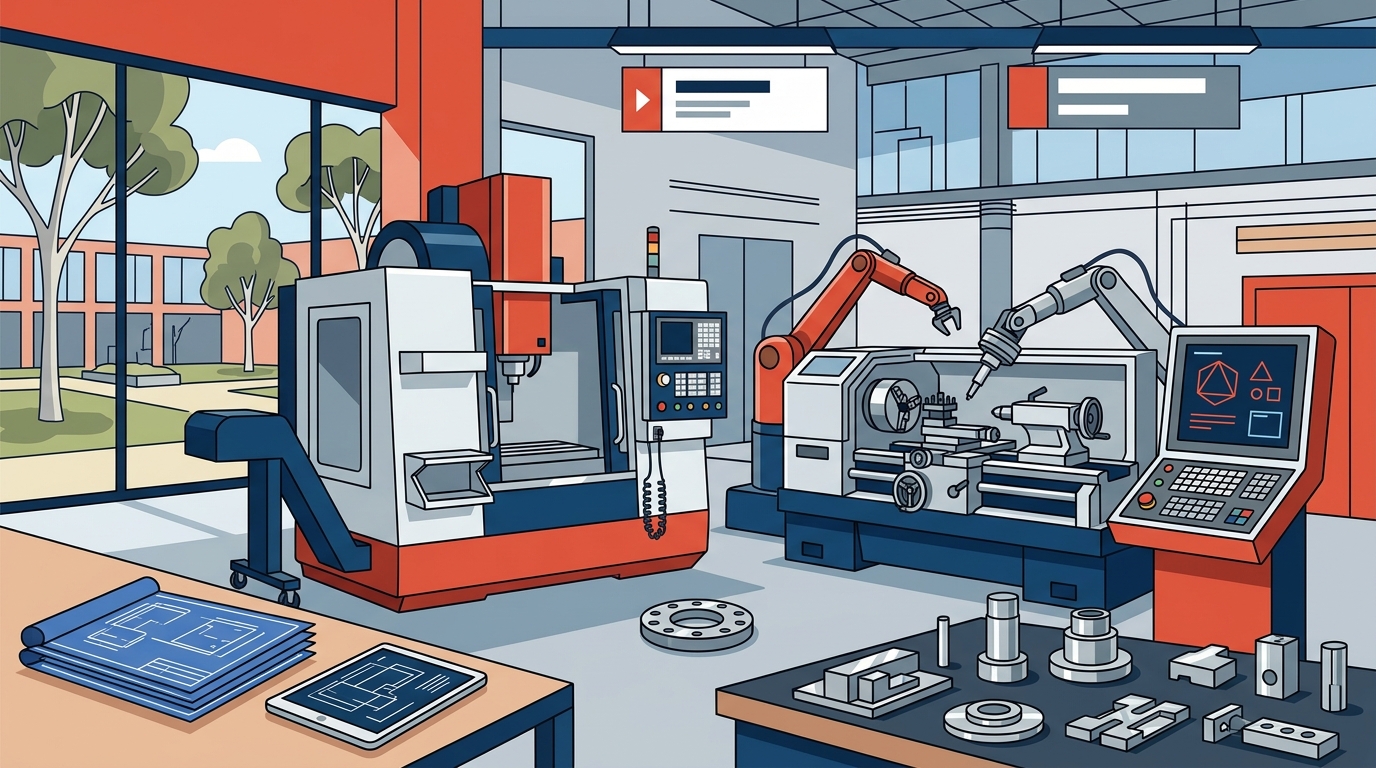
Equipping a machine shop is only half the challenge. Maintaining it requires robust infrastructure and reliable support. Educational institutions face unique pressures, including high usage rates, diverse user skill levels, and strict safety regulations.
Safety is paramount. All machines must comply with Australian Standards for machinery safety. This includes proper guarding, emergency stop mechanisms, and coolant management systems. QMT Machinery provides guidance on setting up compliant workshop environments, ensuring that schools meet regulatory requirements without compromising on functionality.
After-sales support is equally critical. Downtime in a commercial workshop costs thousands of dollars per hour. In an educational setting, it disrupts entire classes. QMT’s commitment to market-leading service means that schools have access to rapid response teams and genuine spare parts. This reliability ensures that learning is not interrupted by equipment failures.
Furthermore, QMT offers remote diagnostics services. This technology allows technicians to monitor machine health and diagnose issues in real-time. For educational institutions, this means proactive maintenance and faster resolution of technical problems. It is a modern solution to a timeless challenge.
Key Takeaways
- Industry Alignment: Australian TAFEs prioritize equipment that mirrors commercial workshops to ensure graduate employability.
- Brand Trust: King Rich and Vision Wide are leading brands used in Australian educational institutions for their reliability and performance.
- Foundational Skills: Manual machining remains a critical component of curricula to build intuitive understanding before advancing to CNC.
- Specialized Techniques: EDM training is essential for students pursuing careers in precision tooling and mold making.
- Long-Term Support: Institutions rely on partners like QMT Machinery for decades of service, genuine parts, and expert technical support.
- Safety Compliance: All equipment must meet strict Australian safety standards, including guarding and emergency protocols.
- Historical Expertise: QMT Machinery has been serving the Australian market since 1967, providing unmatched value and reliability.
Frequently Asked Questions
Why do Australian TAFEs still teach manual machining?
Manual machining teaches the fundamental physics of cutting, tool geometry, and material behavior. This tactile understanding is essential for troubleshooting CNC programs and preventing errors in automated manufacturing.
What brands of machine tools are most common in Australian universities?
Brands like King Rich, Vision Wide, and other global OEMs are prevalent. These brands are selected for their durability, precision, and the comprehensive support networks they provide to educational institutions.
How does QMT Machinery support educational institutions?
QMT provides market-leading service, including genuine spare parts, expert technician support, and remote diagnostics. They have been a trusted partner to Australian workshops and schools since 1967.
What is the difference between Wire EDM and Die-Sinking EDM?
Wire EDM uses a thin wire to cut intricate 2D profiles, while Die-Sinking EDM uses a shaped electrode to create 3D cavities. Both are essential for precision tool and die making.
Why is after-sales support critical for educational machine shops?
High usage rates and diverse user skill levels lead to frequent maintenance needs. Reliable support minimizes downtime, ensuring that learning is not disrupted by equipment failures.
Does QMT Machinery offer remote diagnostics for school machines?
Yes, QMT offers internet-based remote diagnostics. This allows technicians to monitor machine health and diagnose issues in real-time, enabling proactive maintenance and faster resolutions.
What safety standards must machine tools meet in Australia?
All machinery must comply with Australian Standards for safety, including proper guarding, emergency stop mechanisms, and coolant management systems to protect operators.
How does QMT Machinery bridge the gap between low-cost imports and high-end OEMs?
QMT offers reliable, high-performance equipment that delivers real value. They partner with global brands that meet stringent qualification processes, ensuring quality without the premium price tag of some OEMs.
Partner with QMT Machinery
Equipping your institution with the right machine tools is a long-term investment in your students' futures. QMT Machinery offers a comprehensive range of milling, turning, grinding, and EDM machines tailored for educational environments. With decades of experience and a commitment to market-leading service, QMT is the ideal partner for Australian TAFEs and universities.
Contact QMT Machinery today to discuss your specific needs. Visit our contact page or call us at +61 03 9587 8788. Explore our product catalog to find the perfect equipment for your workshop. Let us help you build the next generation of skilled metalworkers.