
CNC Machining Guide: Choosing the Right Machine for Australian Manufacturing
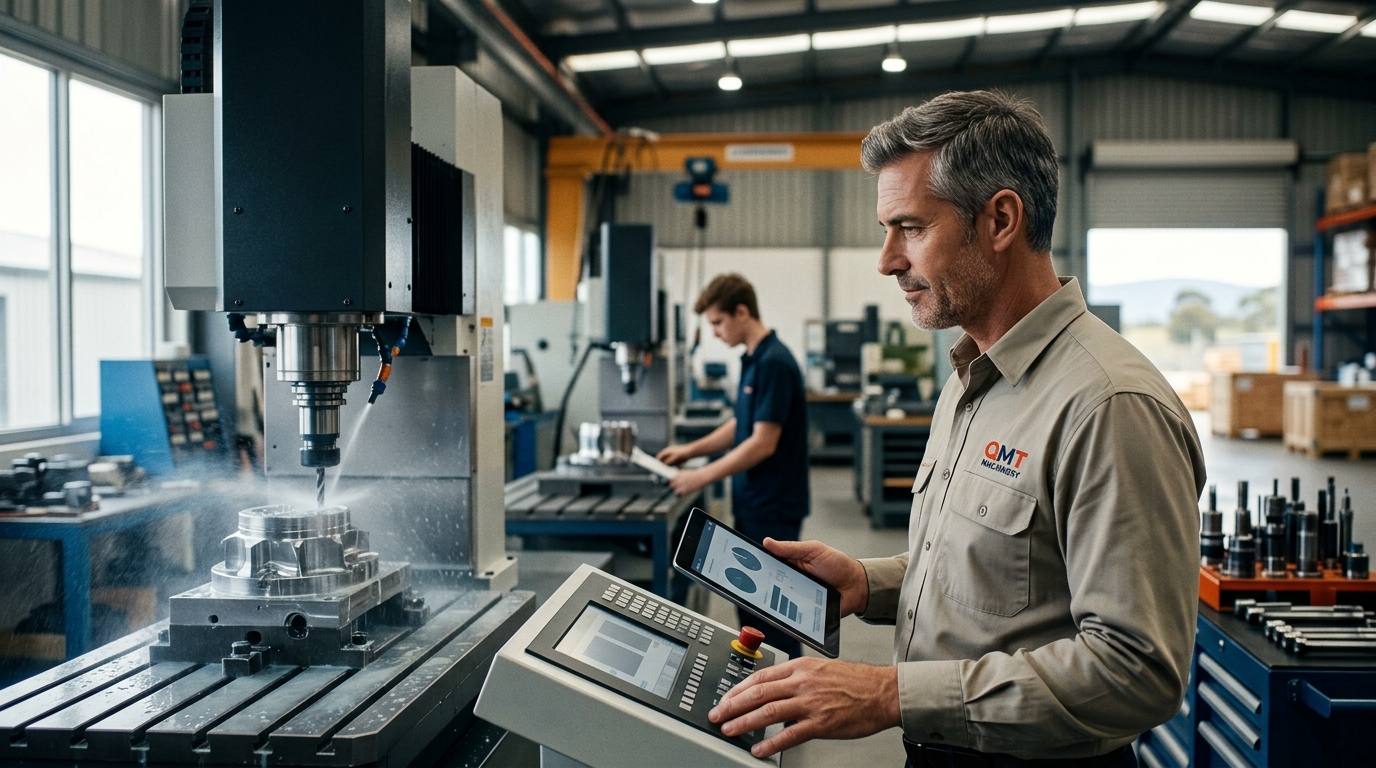
The global manufacturing landscape is shifting rapidly toward automation and precision. Industry reports indicate that CNC machining now accounts for a significant portion of all metal removal processes worldwide. For Australian workshops, adopting Computer Numerical Control (CNC) technology is no longer optional. It is a necessity for maintaining competitiveness in automotive, aerospace, and general engineering sectors. (QMT Machinery Quality Machine)
CNC machining involves the use of pre-programmed computer software to dictate the movement of factory tools and machinery. This process allows for the production of complex parts with high precision and repeatability. Unlike manual machining, which relies heavily on the operator's skill, CNC machines automate the workflow, reducing human error and increasing throughput.
What is CNC Machining?
CNC stands for Computer Numerical Control. It is a manufacturing process where pre-programmed computer software dictates the movement of factory tools and machinery. The process can be used to control a range of complex machinery, from grinders and lathes to mills and 3D printers. According to Investopedia, CNC machining is essential for producing parts with tight tolerances.
The core components of a CNC system include the machine tool, the control unit, and the programming interface. The control unit interprets the code and directs the motors to move the cutting tools along specific axes. This automation ensures that every part produced is identical to the last, which is critical for mass production and quality assurance.
In the Australian context, CNC machining has become a cornerstone of the engineering sector. With a strong focus on precision and reliability, Australian manufacturers are leveraging CNC technology to meet the demands of global supply chains. The ability to produce complex geometries quickly and accurately gives businesses a significant competitive edge.
CNC vs. Manual Machining
While manual machining has its place in the industry, CNC machining offers distinct advantages that make it the preferred choice for most modern applications. The primary difference lies in the level of automation and precision.
Manual machining requires an operator to physically control the machine's movements using handwheels and levers. This method relies heavily on the skill and experience of the machinist. While it offers flexibility for one-off jobs, it is prone to human error and is generally slower than CNC machining.
CNC machining, on the other hand, automates the process. Once the program is loaded, the machine runs with minimal human intervention. This leads to higher consistency, faster production times, and the ability to produce complex parts that would be difficult or impossible to make manually. NIST research highlights the importance of precision in manufacturing, which CNC machines deliver consistently.
Another key advantage of CNC is its scalability. As production volumes increase, CNC machines can handle the load without a proportional increase in labor costs. This makes them ideal for both small batch production and large-scale manufacturing.
Types of CNC Machines
Understanding the different types of CNC machines is crucial for selecting the right equipment for your workshop. Each type is designed for specific applications and materials.
CNC Milling Machines
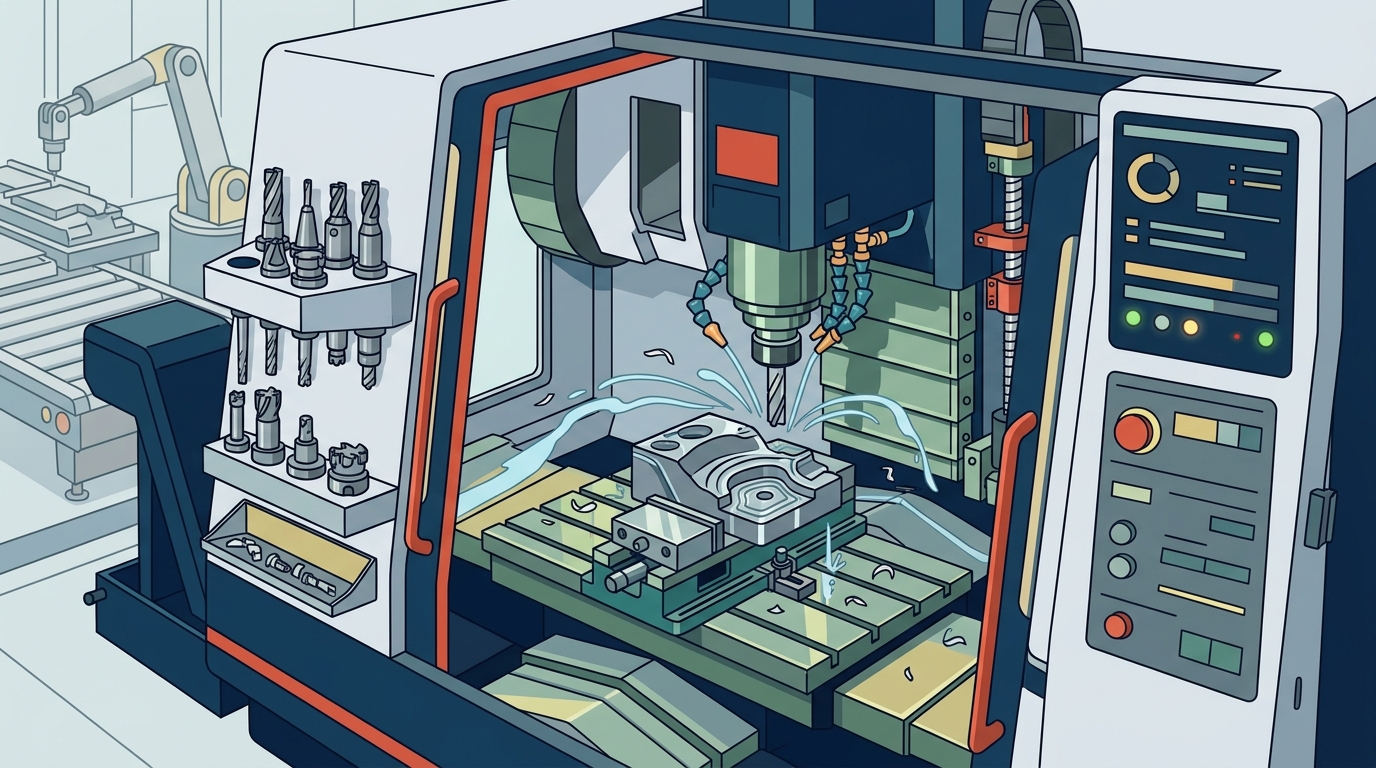
CNC milling machines use rotating cutting tools to remove material from a workpiece. They are versatile and can perform a wide range of operations, including drilling, tapping, and boring. Industry standards for milling emphasize the importance of rigidity and precision in the machine structure.
QMT Machinery offers a range of milling machines, from manual mills to advanced machining centers. These machines are ideal for general engineering, mold making, and prototype development. The ability to switch between different tools automatically makes machining centers particularly efficient for complex parts.
CNC Lathes and Turning Centers
CNC lathes, also known as turning centers, rotate the workpiece while a stationary cutting tool removes material. They are primarily used for creating cylindrical parts such as shafts, bolts, and bushings. Machinery market data shows a growing demand for high-speed turning centers in the automotive sector.
Turning centers offer additional capabilities, such as live tooling, which allows for milling and drilling operations while the part is rotating. This multi-functionality reduces the need for multiple machines and streamlines the production process.
EDM Machines
Electrical Discharge Machining (EDM) uses electrical sparks to erode material. It is particularly useful for hard metals and complex geometries that are difficult to machine with traditional tools. EDM technology advancements have made it a critical process in the aerospace and medical device industries.
Wire EDM machines use a thin wire to cut intricate shapes, while die-sinking EDM machines use a shaped electrode to create cavities. Both types offer exceptional precision and surface finish, making them indispensable for high-precision applications.
Choosing the Right CNC Machine
Selecting the right CNC machine depends on several factors, including the type of parts you produce, the materials you work with, and your production volume.
| Machine Type | Best For | Key Benefits |
|---|---|---|
| CNC Milling Machine | Complex parts, molds, prototypes | High precision, versatility |
| CNC Lathe | Cylindrical parts, shafts | High speed, repeatability |
| EDM Machine | Hard metals, intricate shapes | No tool wear, fine detail |
| Manual Mill/Lathe | One-off jobs, repairs | Cost-effective, flexible |
Consider the brand reputation and after-sales support when making your decision. QMT Machinery partners with leading global brands to ensure you get reliable equipment backed by expert service. Brands like King Rich and Vision Wide are known for their durability and performance in the Australian market.
Additionally, evaluate the machine's technical specifications, such as spindle speed, tool capacity, and axis travel. These factors will determine the machine's capability and suitability for your specific applications. Technical specifications guide manufacturers in selecting equipment that meets their production needs.
Maintenance and Reliability
Regular maintenance is essential for keeping your CNC machines running efficiently and extending their lifespan. Maintenance best practices include daily cleaning, lubrication, and inspection of critical components.
QMT Machinery offers comprehensive service and support to help you maintain your equipment. Our team of expert technicians provides on-site repairs, remote diagnostics, and spare parts supply. Remote diagnostics services allow us to monitor your machines in real-time and address issues before they cause downtime.
Investing in quality machines and reliable service is a long-term strategy for success. QMT Machinery has served the Australian market since 1967, building a reputation for trust and excellence. Our commitment to quality ensures that your machines deliver consistent performance year after year.
Key Takeaways
- CNC machining offers superior precision and repeatability compared to manual methods.
- Choosing the right machine depends on your specific production needs and materials.
- EDM machines are ideal for hard metals and complex geometries.
- Regular maintenance and reliable service are critical for machine longevity.
- QMT Machinery provides expert support and a wide range of high-quality machines.
- Partnering with established brands ensures reliability and performance.
- Remote diagnostics can help prevent costly downtime.
Frequently Asked Questions
What is the difference between CNC milling and turning?
CNC milling uses rotating cutting tools to remove material from a stationary workpiece, while CNC turning rotates the workpiece against a stationary tool. Milling is used for complex shapes, while turning is ideal for cylindrical parts.
Why is EDM used in manufacturing?
EDM is used for machining hard metals and creating intricate shapes that are difficult to achieve with traditional cutting tools. It offers high precision and excellent surface finish.
How often should CNC machines be serviced?
Regular maintenance should be performed daily, weekly, and monthly depending on the machine's usage. Maintenance schedules vary by machine type and operating conditions.
What brands does QMT Machinery carry?
QMT Machinery partners with leading global brands such as King Rich and Vision Wide, ensuring high-quality equipment for Australian workshops.
Can QMT Machinery provide remote diagnostics?
Yes, QMT Machinery offers internet-based remote diagnostics to monitor machine performance and address issues proactively.
Is CNC machining suitable for small workshops?
Yes, CNC machining is suitable for workshops of all sizes. It offers efficiency and precision that can help small businesses compete in the market.
What materials can be machined using CNC?
CNC machines can process a wide range of materials, including metals, plastics, and composites. The choice of material depends on the application and machine capabilities.
Contact QMT Machinery
Ready to upgrade your workshop with high-quality CNC machinery? Contact QMT Machinery today to speak with our expert team. We offer tailored solutions for your specific needs, backed by decades of experience and a commitment to excellence. Visit our contact page to get started.