
Common Machine Tool Operating Errors in Australian TAFE and University Labs
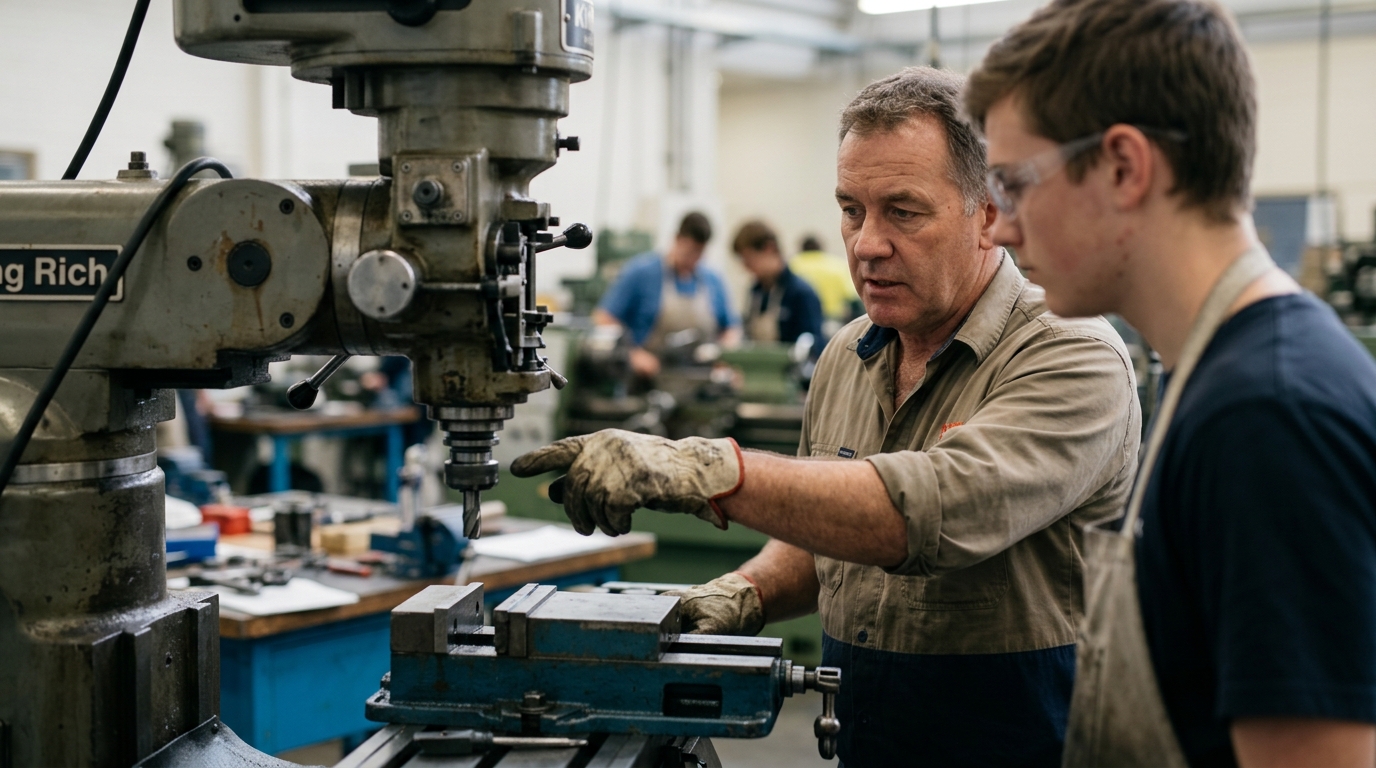
Workshop safety and precision are non-negotiable in Australian technical education. According to industry safety reports, over 30% of workshop incidents in educational settings stem from preventable operator errors Worksafe Victoria. When students operate heavy machinery without proper foundational knowledge, the risks extend beyond equipment damage to severe personal injury. This guide outlines the most frequent operational mistakes made in TAFE and university labs, providing actionable strategies to mitigate these risks and ensure a safe learning environment. (Why QMT About us)
Understanding the Risk Landscape
Australian technical colleges face unique challenges in balancing educational throughput with strict safety compliance. The transition from theoretical knowledge to practical application is where most errors occur. Students often underestimate the power of rotating spindles or the precision required in CNC programming. Machine tool operating errors are defined as deviations from standard operating procedures that result in equipment malfunction, poor part quality, or safety hazards. These errors are not merely academic failures but significant operational liabilities. (QMT Machinery Quality Machine)
QMT Machinery has observed that workshops using older or poorly maintained equipment see higher error rates. This is not because the students are less skilled, but because the machines lack the modern safety interlocks and diagnostic features found in newer models. Understanding the specific machinery used in your lab is the first step toward error prevention. (Blog QMT Machinery)
Critical Milling Machine Errors
Milling machines, including manual mills and CNC machining centres, are the workhorses of any engineering lab. However, they are also the source of numerous common errors. (Brands QMT Machinery)
Incorrect Tool Clamping
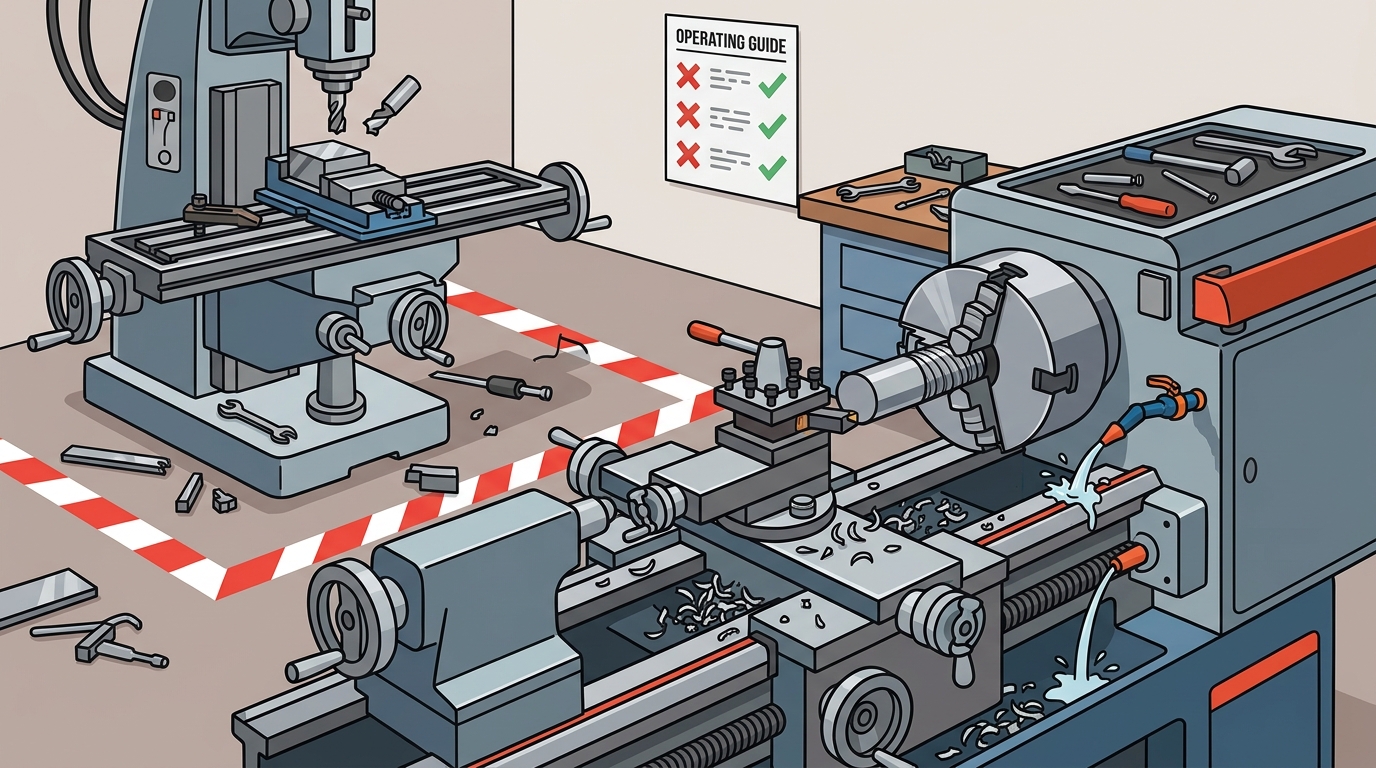
One of the most frequent errors is improper tool clamping. If a cutter is not seated correctly in the collet or chuck, it can slip during operation. This leads to immediate tool breakage and potential projectile hazards. Proper tool clamping is the process of securing cutting tools to the spindle with sufficient torque and alignment to prevent slippage. Always use torque wrenches and inspect collets for wear before every shift.
Ignoring Coolant Flow
Coolant is not just for comfort; it is critical for heat dissipation and chip evacuation. Students often forget to turn on the coolant or set the flow rate incorrectly. This results in rapid tool wear and poor surface finishes. Coolant flow is the regulated delivery of lubricating fluid to the cutting zone to reduce friction and temperature. Ensure your machines, such as the manual milling machines from King Rich, have clear coolant controls and filters.
CNC Programming Oversights
In CNC labs, a single wrong coordinate can crash the machine into the workpiece or fixture. This is often due to incorrect work coordinate system (WCS) setup. Work coordinate system setup is the process of defining the origin point of the part relative to the machine's zero point. Always perform a dry run without the spindle engaged to verify tool paths.
Lathe Operation Pitfalls
Turning machines, including manual lathes and CNC lathes, present different risks due to the rotational nature of the workpiece.
Loose Workholding
A workpiece that is not securely held in the chuck or between centers can become a dangerous projectile. This is a leading cause of severe injury in TAFE labs. Workholding security is the state of a workpiece being firmly fixed in a chuck, vise, or fixture to prevent movement during machining. Regularly inspect chuck jaws and ensure the tailstock is properly engaged.
Incorrect Speed and Feed Rates
Using too high a speed for a given material can cause the tool to overheat and fail. Conversely, too low a speed can cause material buildup and poor finish. Speed and feed rates are the rotational speed of the spindle and the rate at which the tool advances into the material, respectively. Consult material-specific charts and start with conservative settings.
EDM and Grinding Hazards
Electrical Discharge Machining (EDM) and grinding machines require specialized knowledge due to the involvement of electricity and abrasive particles.
Die-Sinking EDM Dielectric Issues
EDM machines rely on dielectric fluid to control the electrical discharge. If the fluid is contaminated or at the wrong level, the machining process becomes unstable. Dielectric fluid is an insulating liquid used in EDM to facilitate controlled electrical discharges and flush away debris. Regularly test the dielectric fluid for conductivity and particulate matter.
Grinding Wheel Inspection
Grinding wheels can shatter if they have micro-cracks or are mounted incorrectly. Grinding wheel inspection is the visual and auditory check of a wheel for damage, balance, and proper mounting before use. Always perform a ring test on new wheels and ensure the flanges are clean and flat.
Prevention and Maintenance Strategies
Preventing errors requires a combination of rigorous training, proper equipment selection, and consistent maintenance.
Standardized Operating Procedures (SOPs)
Every machine in your lab should have clear, laminated SOPs posted nearby. These should include startup/shutdown sequences, emergency stop locations, and PPE requirements. Standardized Operating Procedures are documented instructions that describe the correct way to perform a task to ensure safety and consistency. Review these SOPs with students at the start of each semester.
Regular Equipment Audits
Older machines may lack modern safety features. Regular audits can identify worn components, faulty interlocks, or outdated electrical systems. Equipment audits are systematic inspections of machinery to assess safety, functionality, and compliance with standards. QMT Machinery offers expert advice on upgrading your workshop with reliable brands like King Rich and Vision Wide.
Remote Diagnostics and Support
Modern CNC machines offer remote diagnostics capabilities. This allows technicians to identify issues before they become critical failures. Remote diagnostics is the use of internet-based technology to monitor and troubleshoot machine performance from a distance. This reduces downtime and ensures that machines are always in optimal condition.
Key Takeaways
- Workholding is critical: Always inspect chucks and fixtures for wear before every operation.
- Coolant management: Proper coolant flow extends tool life and prevents heat-related failures.
- CNC verification: Perform dry runs to verify tool paths and WCS settings.
- EDM fluid quality: Regularly test dielectric fluid for conductivity and contamination.
- Grinding wheel safety: Perform ring tests and ensure proper flange mounting.
- SOP adherence: Enforce strict adherence to Standardized Operating Procedures.
- Regular audits: Conduct quarterly equipment audits to identify potential hazards.
Frequently Asked Questions
What is the most common cause of lathe accidents in TAFE labs?
The most common cause is loose workholding or wearing loose clothing/jewelry that gets caught in the rotating chuck.
How often should dielectric fluid be changed in EDM machines?
Dielectric fluid should be changed or filtered regularly, typically every few months or when conductivity levels exceed specified limits.
Why is dry running a CNC program important?
Dry running allows you to verify tool paths and clearances without the risk of cutting material or crashing the machine.
What are the key safety features to look for in a new milling machine?
Look for emergency stop buttons, spindle interlocks, coolant systems, and robust guarding around the work area.
How can QMT Machinery help my institution?
QMT Machinery provides expert consultation on machine selection, training, and maintenance for TAFE and university workshops.
What is the role of a work coordinate system in CNC?
The work coordinate system defines the origin point of the part, ensuring the machine cuts in the correct location.
Why is proper tool clamping essential?
Proper tool clamping prevents slippage, which can lead to tool breakage, poor surface finish, and safety hazards.
Contact QMT Machinery
Ensuring the safety and efficiency of your technical education labs requires the right equipment and expert support. QMT Machinery has been a pillar of reliability in Australia since 1967, offering market-leading service and unmatched value. Contact us today to discuss your workshop needs and discover how our global brands, backed by Aussie hands, can support your institution. Visit our Contact Page or call +61 03 9587 8788 to speak with our experienced team.