
Common Mistakes When Buying Cylindrical and Surface Grinding Machines in Australia
Purchasing precision grinding equipment is one of the most significant capital investments an Australian workshop can make. The cost of error is not just financial; it is measured in lost production hours, scrapped components, and damaged reputations. According to recent industry analyses, manufacturing efficiency drops by up to 20% when machinery is mismatched to specific workload requirements. This guide outlines the critical errors to avoid when selecting cylindrical and surface grinders, ensuring your investment delivers decades of reliable performance. (Why QMT About us)
Mistake 1: Ignoring Workpiece Geometry and Reach
The most frequent error in machinery procurement is selecting a grinder based solely on price or brand recognition without rigorously analyzing the physical dimensions of the parts you intend to machine. Cylindrical grinders and surface grinders serve distinct geometric purposes, and confusing their capabilities leads to immediate operational bottlenecks.
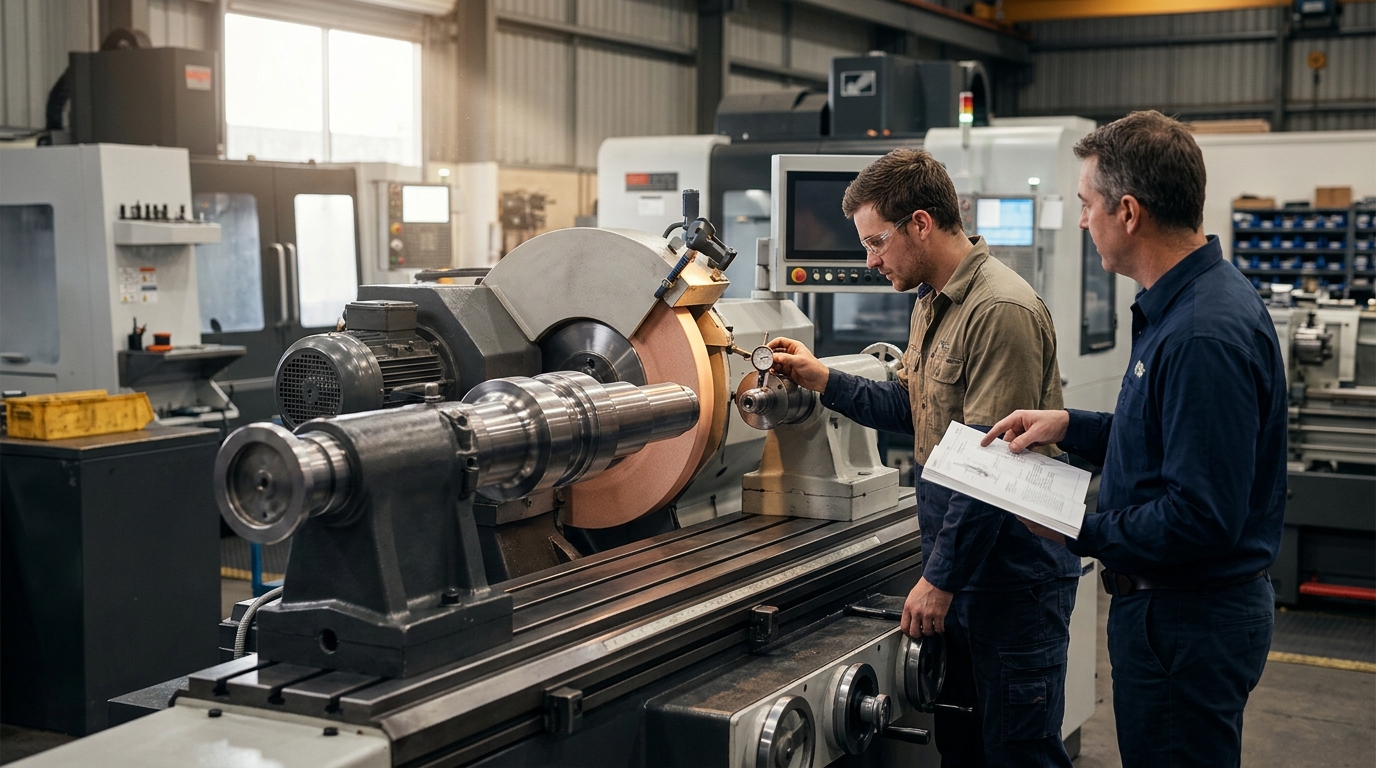
A Cylindrical Grinder is defined as a machine tool designed to produce precise external cylindrical surfaces. It rotates the workpiece against a grinding wheel to achieve tight tolerances on diameters and lengths. If your workshop frequently handles long shafts or complex tapers, you must verify the machine's center distance and swing over bed. A machine that barely fits your largest component leaves no room for tool clearance, leading to dangerous collisions or the inability to machine the part entirely.
Conversely, a Surface Grinder is defined as a machine tool used to produce flat surfaces, either by the grinding wheel rotating around a central axis or by the grinding wheel rotating parallel to the workpiece. When selecting a surface grinder, the critical metric is the table size and the travel distance of the table. Many buyers underestimate the space required for magnetic chucks and clamping fixtures. If you are machining large, flat plates, a standard table size may force you to break up the workpiece, introducing secondary setup errors and increasing cycle times significantly.
Furthermore, the material type dictates the necessary rigidity. Hardened steels require high-rigidity machines with powerful motors to prevent wheel wear and heat generation. Soft materials like aluminum require different spindle speeds and coolant systems to prevent loading. Ignoring these material-specific requirements results in poor surface finishes and premature wheel degradation.
Mistake 2: Neglecting After-Sales Service and Support
In the Australian market, the longevity of a grinding machine is directly correlated to the quality of its local support network. A common mistake is purchasing a machine from a supplier that lacks a robust local service infrastructure. Grinding is a precision process; even the best machines require regular calibration, wheel dressing, and component replacement to maintain micron-level accuracy.
QMT Machinery has served the Australian manufacturing sector since 1967, establishing a reputation for providing not just machines, but long-term operational support. When evaluating suppliers, ask about their response times for emergency breakdowns and the availability of genuine spare parts. A machine that sits idle for two weeks waiting for a part from overseas is costing your business thousands in lost revenue daily.
Additionally, consider the availability of technical expertise. Do you have access to certified technicians who understand the specific mechanics of the brand you are buying? Brands like King Rich and Vision Wide, which QMT represents, are chosen for their reliability and the local support they command. Without local expertise, minor issues can escalate into major failures, voiding warranties and damaging the machine beyond repair.
Mistake 3: Overlooking Thermal Stability and Rigidity
Grinding generates intense heat. If the machine structure cannot dissipate this heat effectively, thermal expansion will occur, leading to dimensional inaccuracies in the workpiece. This is particularly critical in cylindrical grinding, where tolerances are often measured in microns. A machine that lacks thermal stability will drift out of specification as it warms up during operation.
Look for machines constructed from high-grade cast iron or polymer concrete bases, which offer superior vibration damping and thermal mass. The spindle assembly is another critical component. High-precision spindles with preloaded bearings maintain rigidity under load, preventing deflection that causes tapering or out-of-roundness in cylindrical parts.
For surface grinding, the magnetic chuck's holding power and uniformity are vital. A weak or uneven magnetic field can cause the workpiece to shift during the cut, ruining the surface finish. Always test the chuck's performance with your specific material types before finalizing the purchase.
Mistake 4: Choosing New Over Refurbished Without Analysis
Many Australian workshops assume that new is always better. However, the market for high-quality refurbished grinding machines is robust and often offers superior value. A well-maintained, refurbished machine from a reputable dealer can offer the same precision as a new unit at a fraction of the cost, with the added benefit of proven reliability.
The key is to buy from a dealer that rigorously inspects and refurbishes their equipment. QMT Machinery, for instance, ensures that every machine meets stringent performance criteria before it reaches the customer. When evaluating refurbished options, check the condition of the guideways, the spindle bearings, and the hydraulic systems. These are the wear items that determine the machine's remaining lifespan.
Conversely, new machines offer the latest technological features, such as CNC controls and automated wheel dressing systems. If your budget allows and you require the latest automation, new is the right choice. But do not dismiss refurbished machines outright. For many general engineering workshops, a high-quality refurbished cylindrical grinder provides the perfect balance of cost and performance.
Mistake 5: Ignoring Operator Training and Ergonomics
Even the most advanced grinding machine is useless if the operator cannot use it effectively. A common mistake is failing to budget for comprehensive operator training. Grinding is a skill that requires years of development. Operators must understand wheel selection, dressing techniques, and coolant management to achieve optimal results.
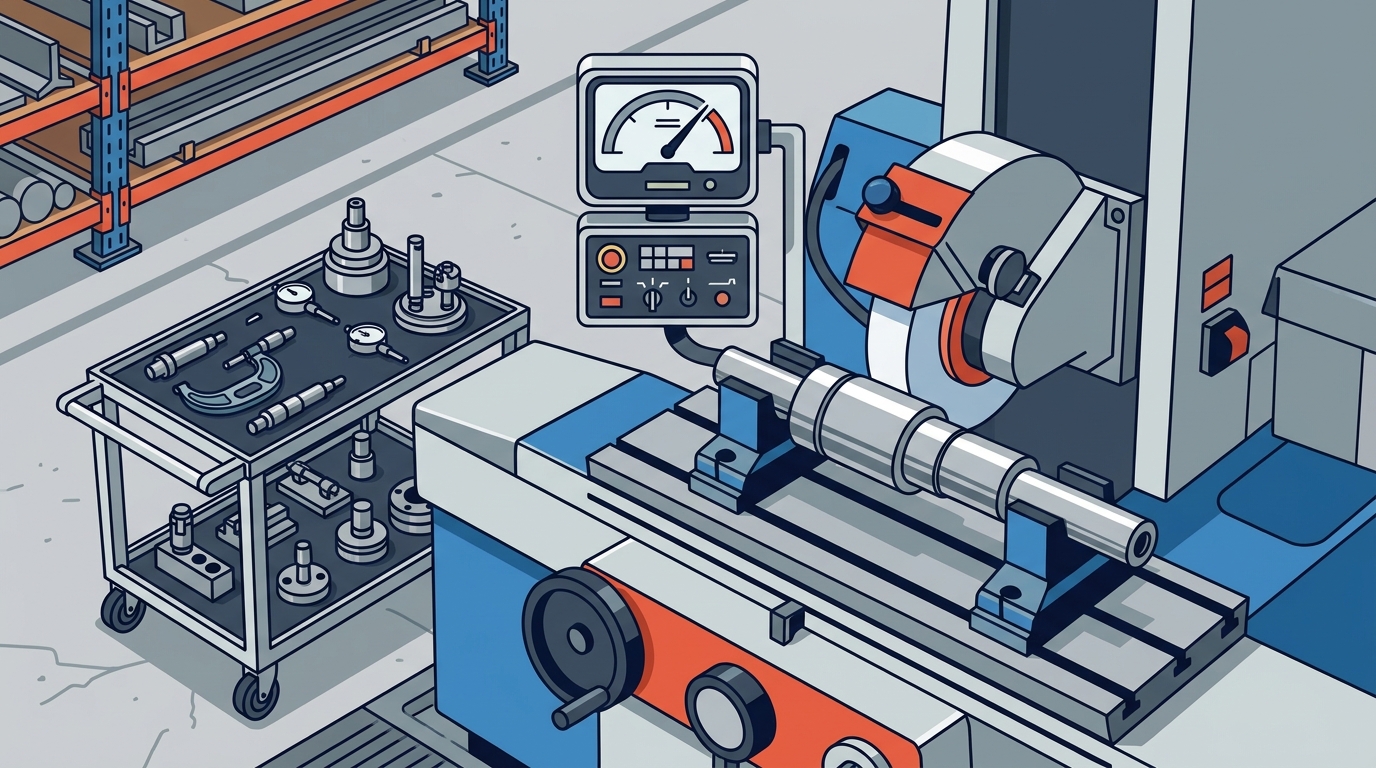
Ergonomics is another often-overlooked factor. Grinding involves repetitive motions and exposure to noise and coolant mist. Machines with poorly positioned controls or inadequate safety guards increase the risk of operator fatigue and injury. Ensure the machine layout allows for easy loading and unloading of workpieces, reducing physical strain on your team.
Investing in training programs, such as those offered in partnership with institutions like Chisholm Institute, can significantly improve your workshop's overall competency. Skilled operators can extend the life of your machinery, reduce scrap rates, and maximize the efficiency of your grinding operations.
Comparison: Cylindrical vs. Surface Grinders
Understanding the fundamental differences between cylindrical and surface grinders is essential for making the right purchase. The table below summarizes the key distinctions.
| Feature | Cylindrical Grinder | Surface Grinder |
|---|---|---|
| Primary Function | External cylindrical surfaces, tapers, and threads. | Flat surfaces, shoulders, and slots. |
| Workpiece Holding | Centers, chucks, or between centers. | Magnetic chucks or mechanical clamps. |
| Key Metric | Center distance and swing over bed. | Table size and travel distance. |
| Typical Applications | Shafts, pins, bushings, and rollers. | Plates, blocks, and dies. |
| Operator Skill | High (requires precise setup and measurement). | Medium to High (depends on complexity). |
Key Takeaways
- Workpiece Analysis: Always verify that the machine's reach and capacity exceed your largest workpiece dimensions to allow for proper tool clearance.
- Support Network: Prioritize suppliers with a long history of local service, such as QMT Machinery, which has served Australia since 1967.
- Thermal Stability: Invest in machines with high-rigidity bases and precision spindles to maintain accuracy under thermal load.
- Refurbished Options: Consider high-quality refurbished machines from reputable dealers for significant cost savings without compromising performance.
- Operator Training: Budget for comprehensive training to ensure operators can maximize the machine's potential and safety.
- Brand Reputation: Choose brands like King Rich or Vision Wide that are proven in the Australian market for reliability and support.
- Total Cost of Ownership: Evaluate maintenance costs, spare part availability, and energy efficiency, not just the initial purchase price.
Frequently Asked Questions
What is the main difference between a cylindrical and a surface grinder?
A cylindrical grinder is designed to produce precise external cylindrical surfaces on rotating workpieces, while a surface grinder is used to produce flat surfaces on stationary workpieces held by magnetic chucks or clamps.
How important is after-sales service when buying a grinding machine in Australia?
After-sales service is critical. Grinding machines require regular maintenance and calibration to maintain precision. A strong local support network ensures quick response times for repairs and access to genuine spare parts, minimizing downtime.
Can I buy a refurbished grinding machine and expect it to perform like a new one?
Yes, high-quality refurbished machines from reputable dealers can perform identically to new units. The key is to ensure the machine has been rigorously inspected, rebuilt, and tested to meet original specifications.
What factors should I consider when selecting a cylindrical grinder?
Key factors include the center distance (maximum workpiece length), swing over bed (maximum workpiece diameter), spindle speed range, and the type of workholding (centers or chucks) required for your specific parts.
Why is thermal stability important in grinding machines?
Thermal stability prevents the machine structure from expanding due to heat generated during grinding. Without it, dimensional inaccuracies occur as the machine drifts out of specification, leading to scrapped parts and poor surface finishes.
What brands of grinding machines does QMT Machinery supply?
QMT Machinery supplies a range of global brands, including King Rich and Vision Wide, known for their reliability, quality, and strong local support in the Australian market.
How often should a grinding machine be calibrated?
Calibration frequency depends on usage and precision requirements. Generally, it is recommended to have a professional calibration check annually or after any major component replacement to ensure continued accuracy.
Contact QMT Machinery
Don't let common purchasing mistakes cost your business time and money. Partner with a team that understands the Australian manufacturing landscape. QMT Machinery offers expert guidance on selecting the right cylindrical and surface grinding machines for your specific needs. Contact us today to discuss your requirements and explore our range of new and refurbished equipment.
Get in touch with QMT Machinery to schedule a consultation or request a detailed brochure.