Common Pitfalls When Buying Double Column Machining Centres in Australia
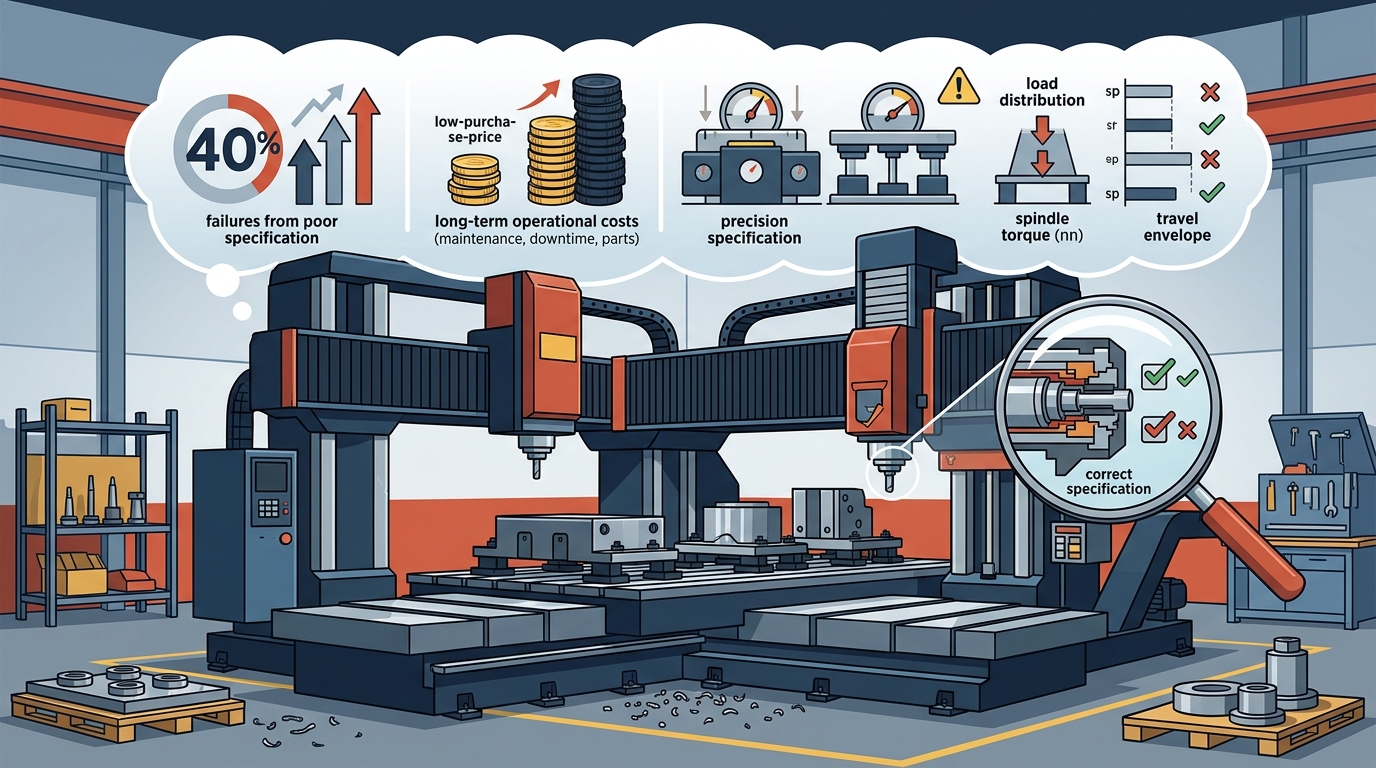
Procuring heavy industrial equipment represents one of the most significant capital expenditures for Australian manufacturing firms. According to recent industry analyses, nearly 40% of CNC machine failures stem from improper initial specification rather than mechanical defects. This statistic highlights the critical importance of due diligence before signing any purchase agreement. Buyers often focus solely on the purchase price while ignoring long-term operational costs, leading to substantial financial losses over the machine's lifecycle. Understanding the unique challenges of the Australian market, including logistics, service availability, and technical support, is essential for making an informed decision. This guide outlines the most frequent errors manufacturers make when acquiring double column machining centres and provides actionable strategies to avoid them. (Contact Us)
Understanding Double Column Architecture
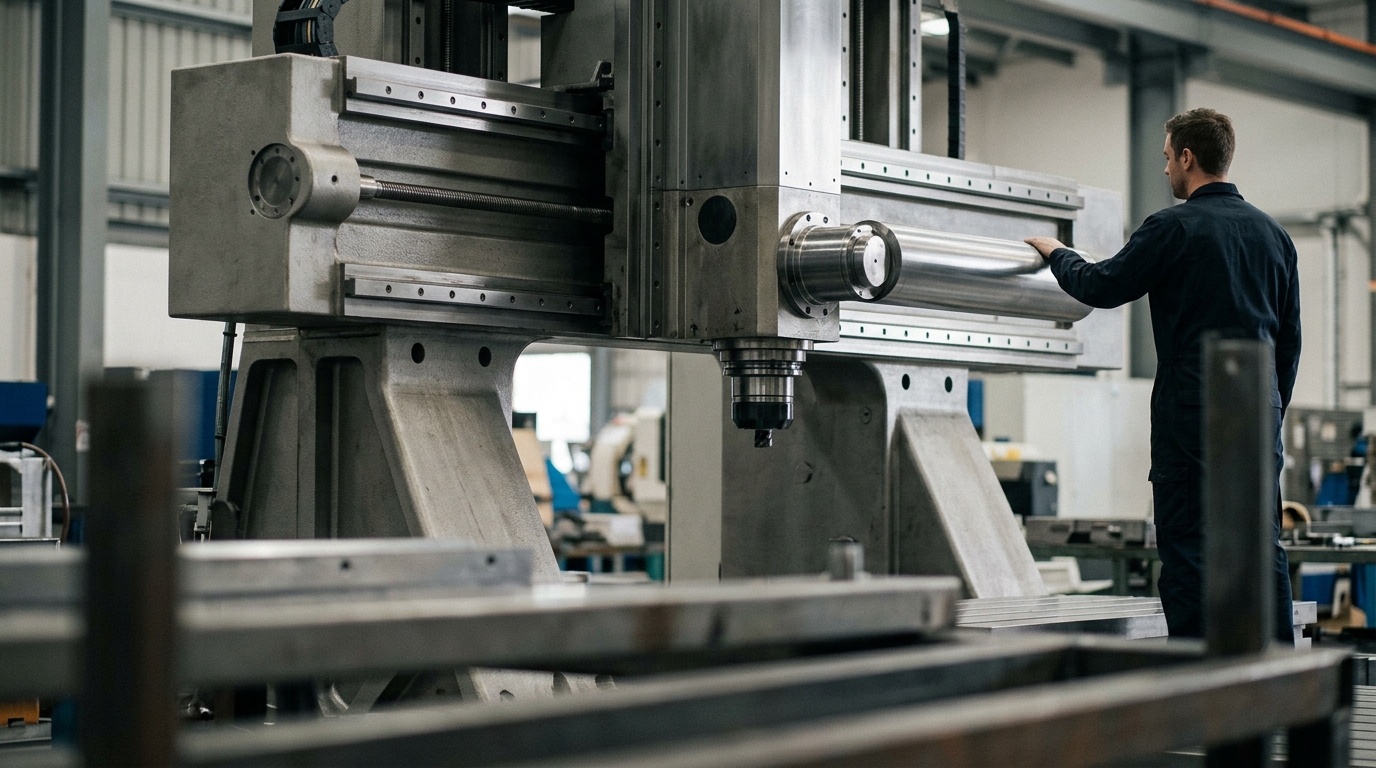
Double column machining centres, often referred to as gantry-style machines, offer superior rigidity and stability compared to traditional bed mills. This design is particularly advantageous for large, heavy workpieces that require high cutting forces. However, buyers frequently misunderstand the implications of this architecture on floor space and accessibility. The dual-column structure requires significant clearance for tool changes and maintenance access. Without proper planning, the machine may fit in the allocated space but become unusable for routine upkeep. It is crucial to verify that the facility layout allows for adequate airflow and coolant management around the entire perimeter of the machine.
Another common oversight involves the horizontal vs. vertical orientation of the gantry. Vertical gantry machines are standard for many applications, but horizontal configurations may be necessary for specific chip evacuation needs. QMT Machinery provides expert consultation to help manufacturers determine the optimal configuration for their specific production environment. For more insights on selecting the right machine type, visit our machining solutions page.
Ignoring Work Envelope Requirements
One of the most critical pitfalls is underestimating the required work envelope. Manufacturers often select a machine based on the size of the current workpiece, neglecting future growth or larger component requirements. This short-sightedness can lead to the need for a second machine or a complete replacement within a few years. The work envelope must account for the maximum X, Y, and Z axes travel, as well as the size of the tool magazine and the largest possible pallet or fixture.
Additionally, the weight capacity of the table and the machine's overall structure must be considered. Overloading the table can lead to deflection, resulting in poor surface finishes and reduced tool life. It is essential to calculate the total weight of the workpiece plus the fixture and ensure it remains within the manufacturer's specified limits. For detailed specifications on our heavy-duty machining centres, check out our product catalog.
Evaluating Spindle Performance
The spindle is the heart of any machining centre, and its performance directly impacts productivity and part quality. Buyers often focus on the maximum RPM while neglecting the torque curve and power output at lower speeds. High RPM is only beneficial if the machine can maintain sufficient torque to remove material efficiently. Inconsistent power delivery can lead to tool breakage and extended cycle times, significantly increasing the cost per part.
Thermal stability is another vital factor. Spindles generate heat during operation, which can cause expansion and loss of precision. Machines with advanced cooling systems and thermal compensation software maintain accuracy over long production runs. QMT Machinery utilizes high-performance spindle technologies to ensure consistent precision and durability. Learn more about our engineering standards and commitment to quality.
Assessing Local Service Support
In the Australian market, the availability of local technical support is a decisive factor in machine reliability. Imported machines without dedicated local service teams often face extended downtime due to delayed parts delivery and lack of on-site expertise. When a critical component fails, every hour of downtime translates to lost revenue and missed delivery deadlines. Buyers must verify the manufacturer's service network coverage and response times across different Australian states.
Preventive maintenance programs are equally important. Regular servicing extends the machine's lifespan and maintains its accuracy. A reputable supplier will offer comprehensive maintenance packages and training for in-house technicians. QMT Machinery offers extensive after-sales support and training programs to ensure your team can operate and maintain the equipment effectively. Explore our support services to see how we can assist your operations.
Overlooking Logistics and Installation
Logistics and installation are often underestimated in the purchasing process. Double column machining centres are massive pieces of equipment that require specialized transport and handling. The cost of crating, shipping, and on-site installation can be substantial. Furthermore, the facility must be prepared with the appropriate power supply, compressed air, and foundation requirements. Inadequate flooring or improper leveling can lead to vibration issues and reduced machining accuracy.
Buyers should engage with logistics experts early in the process to plan for the machine's arrival. This includes verifying door widths, ceiling heights, and floor load-bearing capacity. QMT Machinery provides detailed installation guidelines and can coordinate with local partners to ensure a smooth setup process. For more information on our contact and consultation services, reach out to our team today.
Financial Considerations and ROI
While the initial purchase price is important, the total cost of ownership (TCO) provides a more accurate picture of the investment. TCO includes energy consumption, tooling costs, maintenance, and potential downtime. Machines that appear cheaper upfront may have higher operating costs due to inefficiency or poor build quality. A thorough ROI analysis should consider the expected production volume, part complexity, and required precision.
Financing options can also impact the financial decision. Leasing or financing agreements may offer tax benefits and preserve capital for other business needs. However, buyers should carefully review the terms to avoid hidden fees or unfavorable interest rates. QMT Machinery works with various financial partners to provide flexible financing solutions tailored to your business needs. Discover our financing options to make your investment more manageable.
Key Takeaways
- Double column machining centres require significant floor space and clearance for maintenance access.
- Underestimating work envelope and weight capacity can lead to deflection and poor part quality.
- Spindle torque and thermal stability are as important as maximum RPM for productivity.
- Local service support availability is critical for minimizing downtime in the Australian market.
- Logistics and installation costs can be substantial and must be planned for in advance.
- Total cost of ownership provides a more accurate financial picture than the initial purchase price.
- QMT Machinery offers comprehensive support, including training and maintenance, to ensure long-term success.
Frequently Asked Questions
What is the typical lead time for importing a double column machining centre to Australia?
Lead times can vary depending on the machine's configuration and current manufacturing schedules. Typically, buyers should expect a lead time of 12 to 20 weeks for custom-built machines. QMT Machinery provides transparent timelines and regular updates throughout the production process.
How important is thermal compensation in a double column machine?
Thermal compensation is crucial for maintaining accuracy over long production runs. As the machine heats up, components expand, which can affect precision. Advanced thermal compensation systems mitigate these effects, ensuring consistent part quality. This is particularly important in environments with fluctuating temperatures.
Does QMT Machinery provide installation services in Australia?
Yes, QMT Machinery coordinates with local partners to provide professional installation and commissioning services. This ensures that the machine is set up correctly and operates at peak performance from day one. Our team also provides comprehensive training for your operators and maintenance staff.
What are the power requirements for a double column machining centre?
Power requirements vary based on the machine's size and spindle power. Generally, these machines require a three-phase power supply with a dedicated circuit. QMT Machinery provides detailed electrical specifications for each model to assist with facility planning.
Can I upgrade my existing double column machine?
Upgrades are often possible, depending on the machine's age and model. Common upgrades include new control systems, spindle enhancements, and automation integration. Contact QMT Machinery to assess the feasibility and cost of upgrading your current equipment.
What warranty coverage is provided for imported machines?
Warranty coverage typically includes parts and labour for a specified period, often one to two years. However, terms can vary by manufacturer and region. QMT Machinery offers robust warranty packages and local support to ensure your investment is protected.
How do I calculate the ROI for a new machining centre?
ROI calculation involves comparing the cost of the machine against the expected savings in labour, material waste, and increased production capacity. Consider the machine's uptime, speed, and precision in your calculations. QMT Machinery can assist with a preliminary ROI analysis based on your specific production needs.
Ready to Optimize Your Manufacturing Process?
Avoiding these common pitfalls requires careful planning, expert consultation, and a focus on long-term value. QMT Machinery is dedicated to helping Australian manufacturers make informed decisions that drive productivity and growth. Our team of experts is ready to assist you with every step of the process, from initial consultation to post-installation support. Contact us today to schedule a consultation and discover how our double column machining centres can transform your operations. Visit qmtmachinery.au to learn more about our comprehensive range of industrial solutions.