
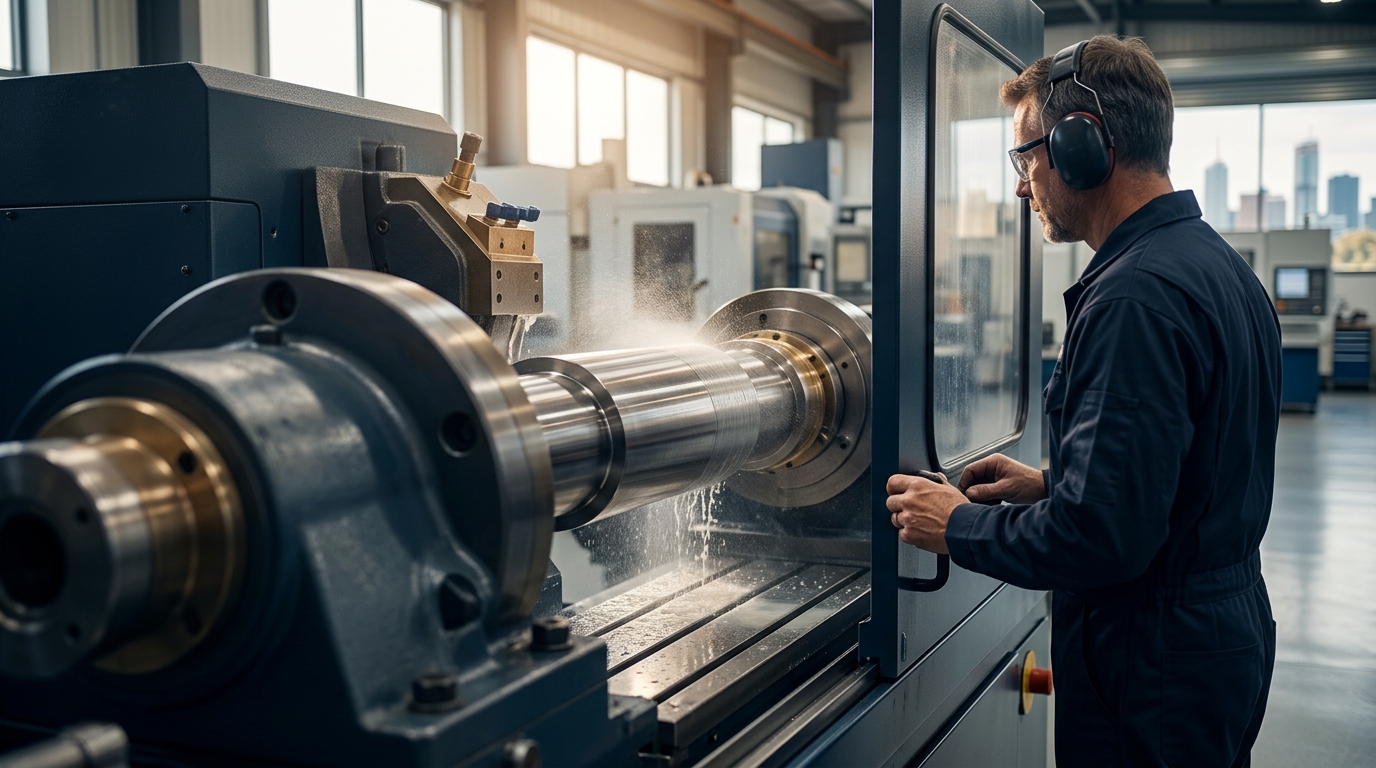
Essential Performance Standards for Cylindrical and Surface Grinding Machines in Australia
Modern Australian manufacturing demands micron-level precision to maintain global competitiveness. According to recent industry analyses, workshops that upgrade to high-tolerance grinding equipment see a 20% reduction in scrap rates within the first year of operation. This statistic highlights the critical link between machine performance standards and operational profitability. For engineering firms in Melbourne, Sydney, and Brisbane, understanding these benchmarks is not optional. It is the foundation of sustainable growth. (Why QMT About us)
Understanding Grinding Standards
Grinding is the final stage of precision machining. It removes material to achieve tight tolerances and superior surface finishes. The process relies on abrasive wheels to cut workpieces with extreme accuracy. In the Australian context, where raw material costs are high, minimizing waste is paramount. This makes adherence to strict performance standards essential for every workshop. (QMT Machinery Quality Machine)
Performance standards are defined by repeatability, thermal stability, and spindle accuracy. A machine that drifts under load fails the primary test of industrial utility. QMT Machinery has evaluated these metrics for decades. Our commitment to quality ensures that every machine we supply meets rigorous international benchmarks. We do not compromise on the structural integrity of our equipment.
Surface grinding removes material from flat surfaces. Cylindrical grinding shapes external or internal round profiles. Both processes require specialized knowledge to execute correctly. The following sections detail the specific technical requirements for each category.
Cylindrical Grinding Performance
Cylindrical grinding is used for producing precise external and internal cylindrical shapes. This process is vital for automotive components, hydraulic cylinders, and bearing races. The performance of a cylindrical grinder is judged by its ability to maintain concentricity and roundness.
Spindle Accuracy and Rigidity
The spindle is the heart of the grinding machine. It must rotate with minimal runout to ensure consistent cutting. High-performance spindles use precision bearings that resist thermal expansion. This stability is crucial for maintaining tolerances within microns. A rigid spindle structure also dampens vibrations during high-speed operations.
Workholding Capabilities
Effective workholding ensures the workpiece does not move during grinding. Centers, chucks, and fixtures must be designed for maximum stability. The ability to handle various diameters and lengths is a key performance indicator. Flexible workholding systems allow workshops to switch between jobs efficiently.
Thermal Stability
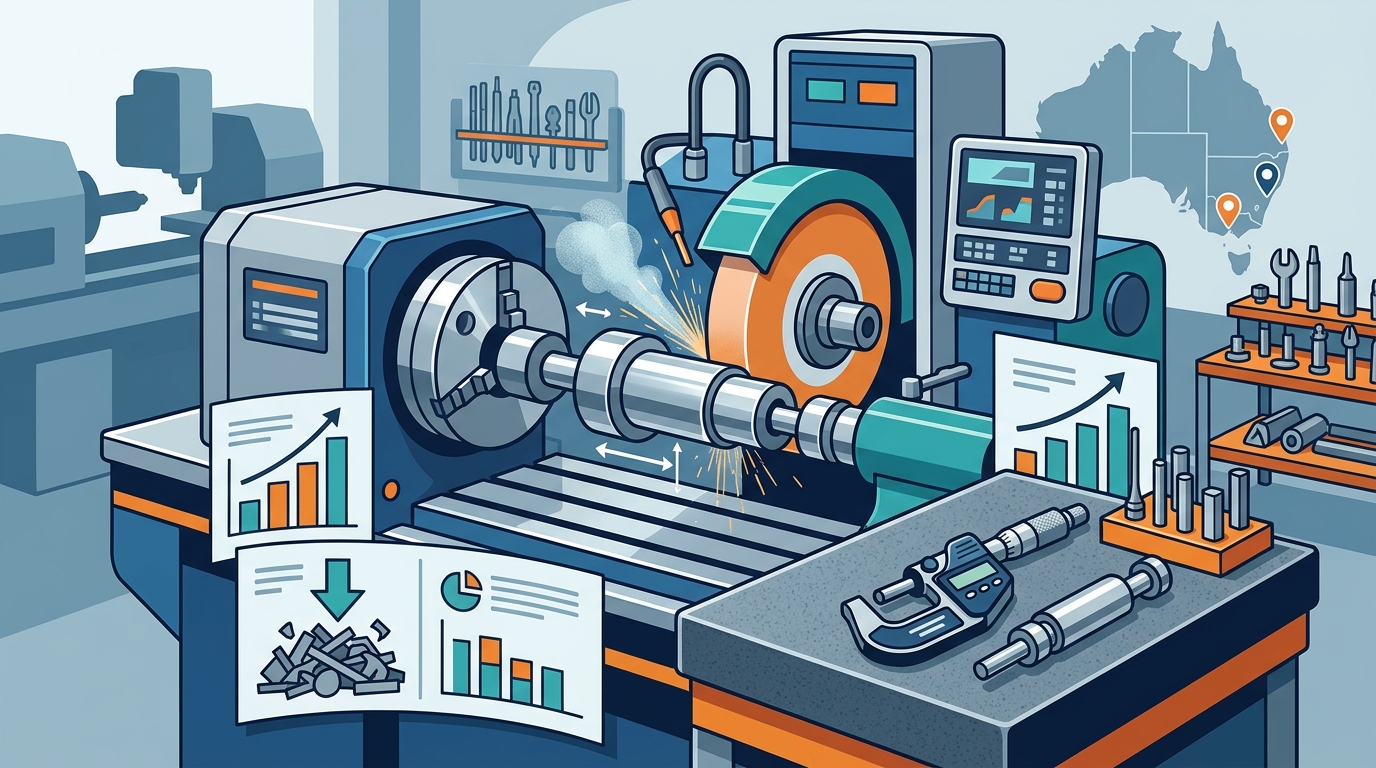
Heat generation is a major challenge in cylindrical grinding. Excessive heat can cause thermal growth in the machine structure. This growth leads to dimensional inaccuracies in the finished part. Advanced cooling systems and thermally symmetric designs mitigate this risk. Machines with superior thermal stability require less downtime for adjustments.
Surface Grinding Performance
Surface grinding produces flat surfaces with high precision. It is widely used in mold making, tool and die manufacturing, and general engineering. The performance standards for surface grinders focus on flatness, parallelism, and surface finish quality.
Table Precision and Movement
The table must move smoothly and accurately across the grinding wheel. Linear guides and ball screws provide the necessary precision. Any backlash in the table movement results in uneven surface finishes. High-quality surface grinders feature advanced feedback systems to correct table position in real time.
Wheel Dressing and Maintenance
Regular wheel dressing is essential for maintaining cutting efficiency. Automated dressing systems ensure consistent wheel geometry. This reduces operator intervention and improves repeatability. Machines that facilitate easy dressing contribute to higher overall equipment effectiveness.
Surface Finish Quality
The final surface finish determines the part's functionality and aesthetic appeal. Roughness parameters like Ra and Rz are standard metrics. High-performance grinders achieve finishes that require minimal secondary polishing. This capability reduces labor costs and accelerates production cycles.
Comparing Grinding Options
Selecting the right grinding machine depends on specific application requirements. The table below compares key features of cylindrical and surface grinders.
| Feature | Cylindrical Grinder | Surface Grinder |
|---|---|---|
| Primary Application | External and internal cylindrical shapes | Flat surfaces and precise thickness |
| Key Performance Metric | Concentricity and roundness | Flatness and surface finish |
| Workholding Method | Centers, chucks, or fixtures | Magnetic chucks or vises |
| Typical Tolerance | Micron-level diameter control | Micron-level flatness control |
| Industry Use | Automotive, aerospace, hydraulics | Mold making, tool and die, general engineering |
Understanding these differences helps workshops choose the correct equipment. QMT Machinery offers a range of brands that excel in both categories. Our team provides expert guidance to match your needs with the right machine.
Key Takeaways
- Workshops upgrading to high-tolerance grinding equipment see a 20% reduction in scrap rates.
- Spindle accuracy and rigidity are critical for maintaining micron-level tolerances in cylindrical grinding.
- Thermal stability prevents dimensional drift during high-speed grinding operations.
- Surface grinders rely on table precision and automated wheel dressing for consistent quality.
- QMT Machinery has served the Australian market since 1967 with a focus on quality.
- Proper workholding is essential for both cylindrical and surface grinding accuracy.
- Investing in reliable grinding machines reduces long-term operational costs.
Frequently Asked Questions
What is the primary difference between cylindrical and surface grinding?
Cylindrical grinding shapes external or internal round profiles, while surface grinding produces flat surfaces with high precision.
Why is thermal stability important in grinding machines?
Thermal stability prevents heat-induced growth in the machine structure, which ensures consistent dimensional accuracy during operation.
How does QMT Machinery ensure machine quality?
QMT Machinery partners with global brands that meet stringent qualification processes, ensuring every machine delivers unmatched value and reliability.
What are the key performance metrics for surface grinders?
Key metrics include flatness, parallelism, and surface finish quality, which are achieved through precise table movement and wheel dressing.
Can QMT Machinery help with machine selection?
Yes, our experienced team provides expert guidance to match your specific manufacturing needs with the right grinding equipment.
What brands does QMT Machinery represent?
QMT Machinery represents a range of reputable global brands, including King Rich and Vision Wide, known for their durability and precision.
How often should grinding wheels be dressed?
Regular dressing is essential for maintaining cutting efficiency. Automated systems can handle this process to ensure consistent wheel geometry.
Contact QMT Machinery
Investing in the right grinding machine is a strategic decision for your workshop. QMT Machinery offers market-leading service and outstanding brands to support your manufacturing goals. Our team is ready to help you select the perfect equipment for your needs. Contact us today to discuss your requirements and explore our range of grinding machines.
Visit our contact page to get in touch with our experts. You can also explore our products to learn more about our grinding solutions. For more insights, check out our blog on machining best practices.