
Selecting Cylindrical and Surface Grinding Machines for Your Workshop
Grinding is the final frontier of precision manufacturing. While milling and turning remove material aggressively, grinding removes it in microscopic increments to achieve tolerances that other processes cannot reach. According to industry data, over 60% of all manufactured parts require at least one grinding operation to meet final specification standards. This statistic highlights why investing in the right grinding infrastructure is not just an option but a necessity for any serious workshop. The decision between cylindrical and surface grinding machines often dictates the breadth of services you can offer and the quality of your finished goods.
Understanding Grinding Types
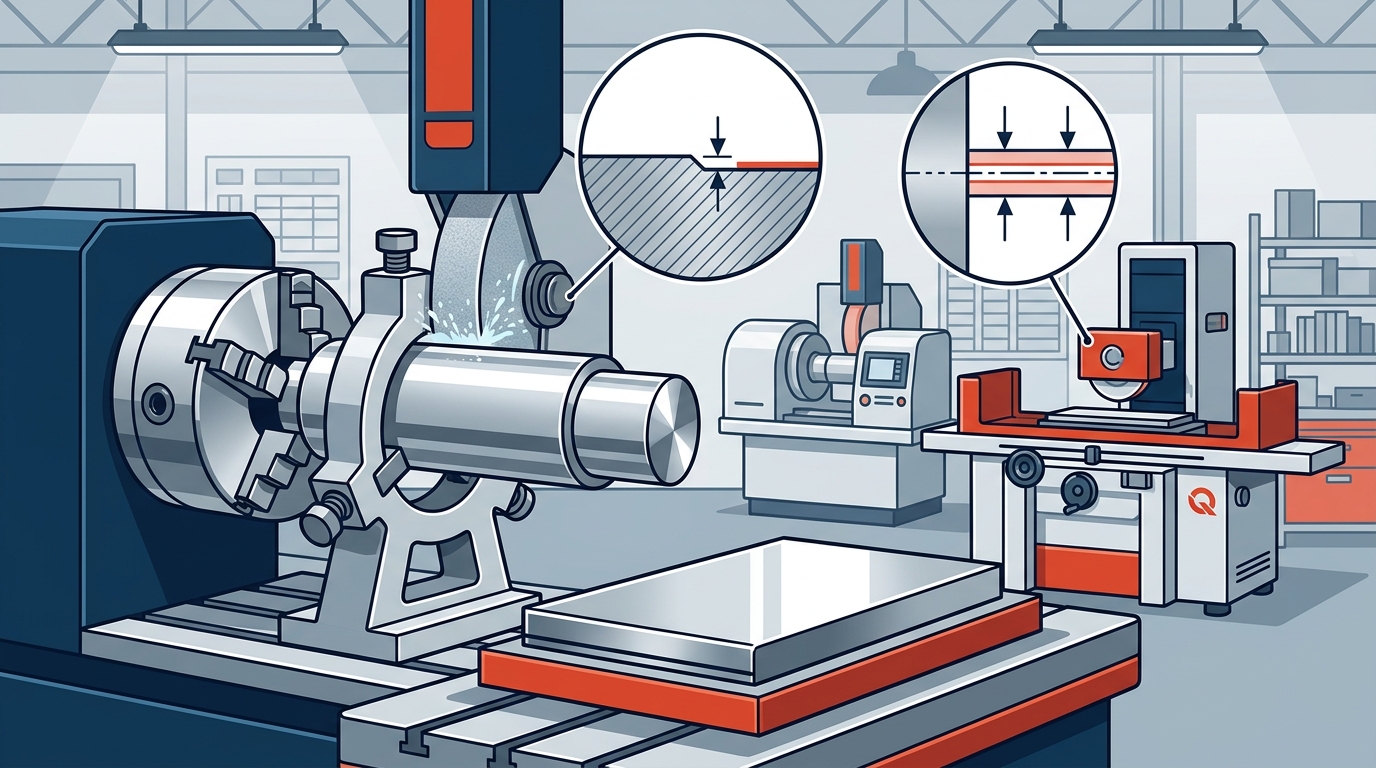
Before diving into specific machine selection, it is vital to understand the fundamental difference between the two primary grinding methodologies. Cylindrical grinding is designed for external and internal cylindrical surfaces. It rotates the workpiece against a rotating abrasive wheel. Surface grinding is designed for flat surfaces. It uses a rotating wheel to remove material from the top of a stationary or moving workpiece.
Both processes rely on the same basic principle: the abrasive grains on the wheel cut the material. However, the mechanics of how the workpiece is held and moved differ significantly. Choosing the wrong machine for your primary workload can lead to inefficiencies, poor surface finishes, and unnecessary capital expenditure.
Cylindrical Grinding Deep Dive
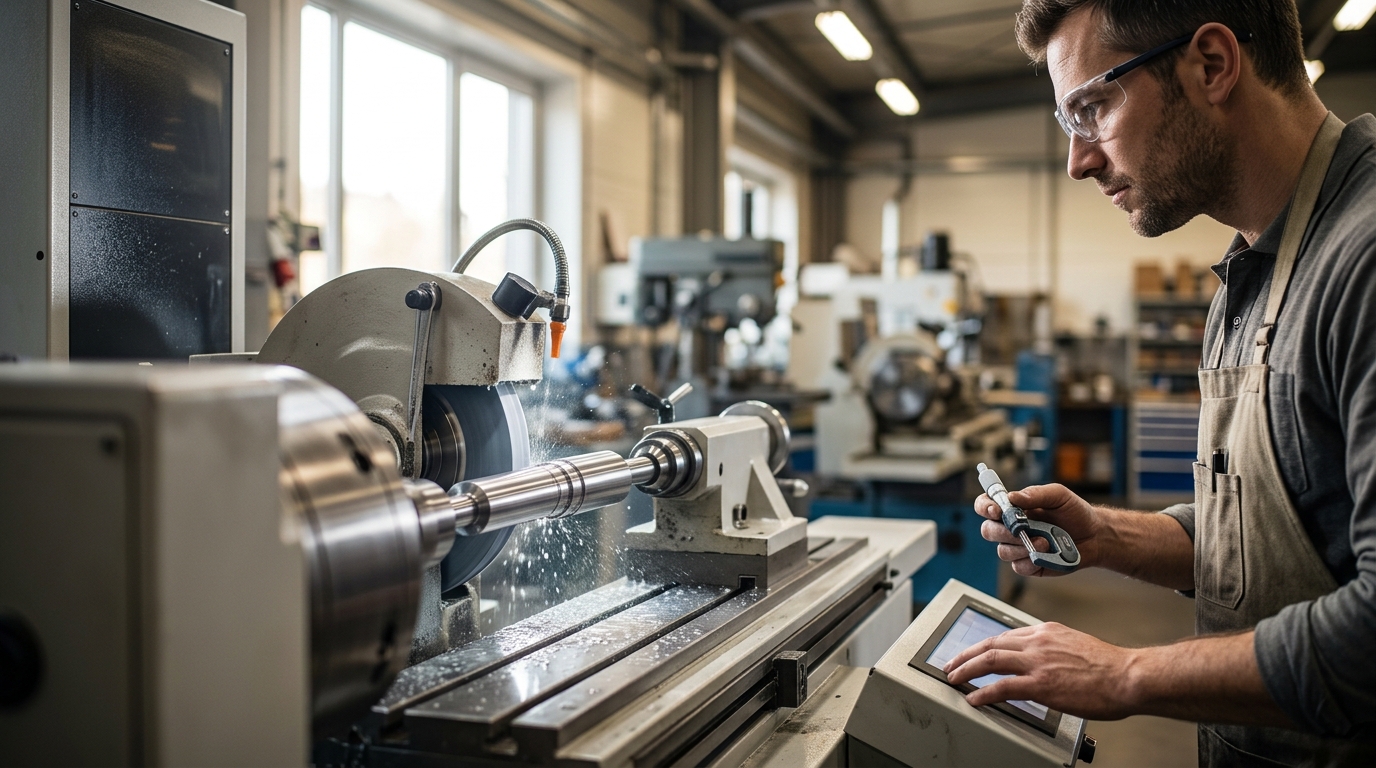
Cylindrical grinding is the go-to solution for producing high-precision shafts, pins, bushings, and other rotational parts. The process involves holding the workpiece between centers or in a chuck and rotating it while a grinding wheel passes over its surface.
Types of Cylindrical Grinders
Workpiece grinding machines generally fall into two categories: center-type and centerless. Center-type grinders hold the workpiece between two rotating centers. This method is ideal for parts that require precise alignment between multiple cylindrical sections. Centerless grinders, on the other hand, support the workpiece on a blade and between a wheel and a regulating wheel. This method is superior for high-volume production of small, uniform parts.
Key Selection Criteria
When selecting a cylindrical grinder, consider the maximum swing diameter and distance between centers. These dimensions define the physical limits of the parts you can process. Additionally, evaluate the machine's ability to handle internal grinding. Some machines are dedicated to external grinding, while others are versatile enough to perform internal operations as well.
For workshops focusing on general engineering, a robust manual or CNC cylindrical grinder from a trusted brand like King Rich offers a balance of precision and cost-effectiveness. These machines are built to withstand daily use in demanding environments. You can explore our machining centre and turning machines catalog to see how cylindrical grinders fit into your broader equipment lineup.
Surface Grinding Deep Dive
Surface grinding is essential for creating flat, smooth finishes on metal parts. It is commonly used for machining dies, molds, and components that require precise thickness and flatness. The workpiece is held on a magnetic chuck or a vise, and the grinding wheel moves across the surface.
Horizontal vs. Vertical Spindle
The two main types of surface grinders are horizontal spindle and vertical spindle. Horizontal spindle grinders use a wheel that rotates parallel to the workpiece surface. They are excellent for grinding long, narrow surfaces. Vertical spindle grinders, often referred as table-type or rotary table grinders, use a wheel that rotates perpendicular to the surface. They are ideal for grinding complex shapes and multiple parts simultaneously on a rotary table.
Importance of Coolant Systems
Proper coolant management is critical in surface grinding. The coolant removes heat and swarf (ground material) from the grinding zone. Without effective cooling, the workpiece can warp, and the grinding wheel can glaze over, reducing its cutting efficiency. Selecting the right coolant is one of those decisions that quietly affects everything. Tool life, surface finish, machine condition, and operator safety all depend on it. Read our practical guide on selecting the right coolant for more insights.
Comparison of Machine Types
The following table summarizes the key differences between cylindrical and surface grinding machines to help you make an informed decision.
| Feature | Cylindrical Grinder | Surface Grinder |
|---|---|---|
| Primary Application | External and internal cylindrical surfaces | Flat surfaces and precise thickness |
| Workpiece Holding | Centers or chucks | Magnetic chuck or vise |
| Typical Parts | Shafts, pins, bushings | Dies, molds, plates |
| Complexity | High (requires precise alignment) | Medium to High (depends on table type) |
| QMT Brand Recommendation | King Rich Manual/CNC Lathes & Mills | King Rich Surface Grinders |
Setup and Installation Protocols
Installing a grinding machine is not a plug-and-play process. It requires careful planning to ensure accuracy and longevity. The foundation of your workshop plays a crucial role in the performance of precision equipment.
Vibration Isolation
Grinding machines are sensitive to vibration. Even minor vibrations from nearby machinery or foot traffic can affect the surface finish of your work. Install your grinder on a solid, level concrete foundation. Avoid placing it near heavy presses or stamping machines that generate significant shock waves.
Leveling and Alignment
Proper leveling is essential for both cylindrical and surface grinders. Use a precision level to ensure the machine bed is perfectly horizontal. Misalignment can cause uneven wear on the grinding wheel and lead to inaccurate parts. For detailed guidance on machine installation, check our blog section for technical articles.
Remote Diagnostics and Support
Modern grinding machines often come with advanced diagnostic capabilities. QMT Machinery offers remote diagnostics to help you troubleshoot issues quickly. This service allows our expert technicians to monitor your machine's performance and provide real-time support, minimizing downtime.
Key Takeaways
- Historical Context: QMT Machinery has been serving the Australian manufacturing sector since 1967, providing reliable machine tools for over four decades.
- Brand Trust: King Rich is a trusted machine tool brand among Australian workshops, known for durability and precision.
- Service Excellence: QMT offers market-leading service, including remote diagnostics and expert technical support.
- Product Range: We supply a wide range of equipment, including milling machines, CNC lathes, and grinding machines.
- Educational Partnerships: QMT supports educational institutions like Chisholm Institute to train the next generation of metalworkers.
- Value Proposition: We bridge the gap between low-cost imports and high-end OEMs, offering unmatched value for Australian businesses.
- Global Brands: Our lineup includes global brands backed by local Aussie hands, ensuring quality and support.
Frequently Asked Questions
What is the main difference between cylindrical and surface grinding?
Cylindrical grinding is used for external and internal cylindrical surfaces, rotating the workpiece against the wheel. Surface grinding is used for flat surfaces, moving the wheel across a stationary workpiece.
Which machine is better for high-volume production?
Centerless cylindrical grinders are typically better for high-volume production of small, uniform parts. Surface grinders with rotary tables are efficient for batch processing flat components.
How do I choose the right grinding wheel?
The choice of grinding wheel depends on the material being ground, the desired surface finish, and the machine's speed. Harder wheels are used for soft materials, while softer wheels are used for hard materials.
Does QMT Machinery offer after-sales support?
Yes, QMT Machinery provides comprehensive after-sales support, including expert technicians, spare parts, and remote diagnostics to ensure your machines run efficiently.
Can I upgrade my existing grinding machine?
Depending on the model, some grinding machines can be upgraded with CNC controls or additional attachments. Contact our team to discuss upgrade options for your specific equipment.
What is the importance of coolant in grinding?
Coolant removes heat and swarf from the grinding zone, preventing workpiece distortion and wheel glazing. It also extends the life of the grinding wheel and improves surface finish.
How often should I service my grinding machine?
Regular maintenance is crucial. Follow the manufacturer's recommended schedule for lubrication, wheel dressing, and inspection of critical components to ensure optimal performance.
Contact QMT Machinery
Selecting the right grinding machine is a significant investment in your workshop's future. QMT Machinery is here to help you make the best choice. With over 40 years of experience, we provide global brands backed by Aussie hands. Our team of experts is ready to assist you with machine selection, setup, and ongoing support.
Visit our contact page to speak with a specialist today. Or explore our full product catalog to find the perfect machine for your needs. Trust QMT Machinery for quality machine tools that deliver unmatched value.