
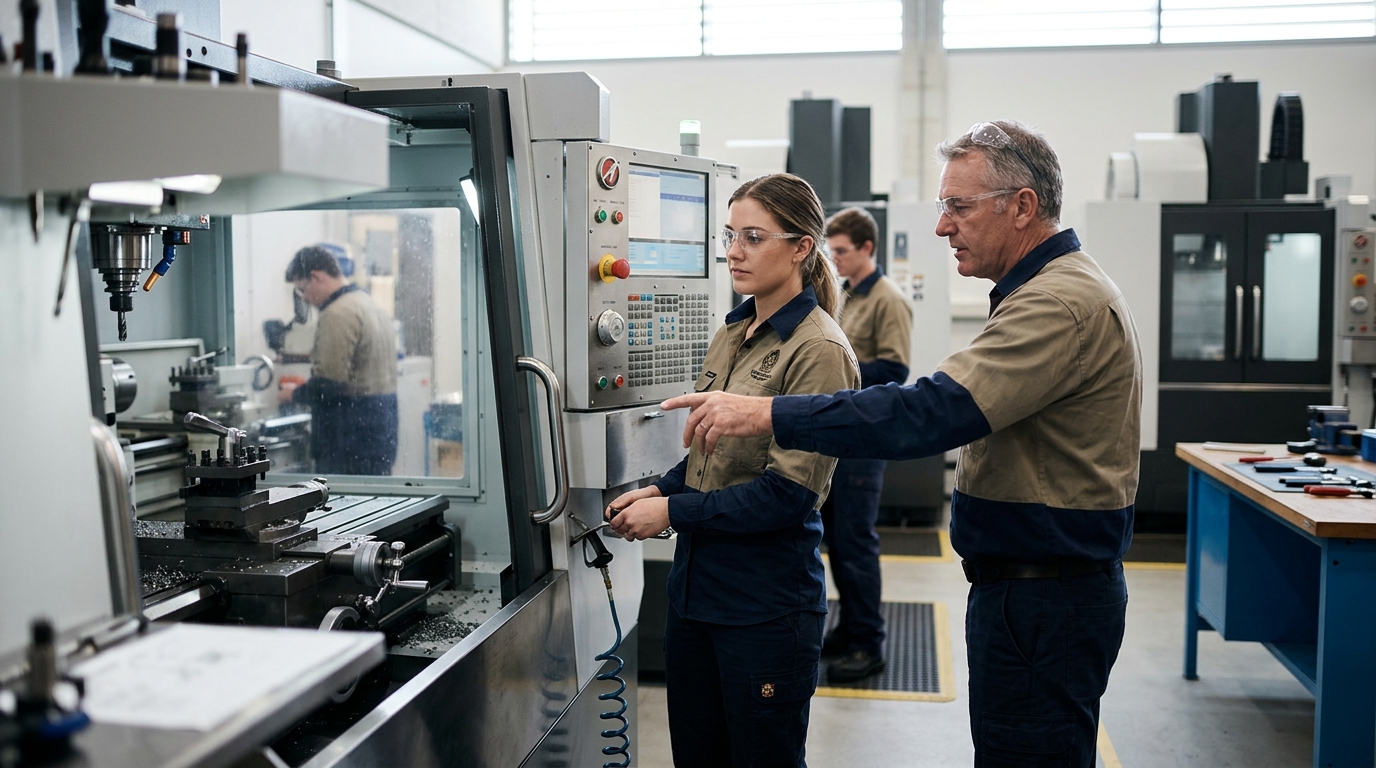
Machine Tool Investment ROI for Australian TAFE and University Training Programs
Capital equipment represents one of the largest line items in any educational institution's budget. For Australian technical colleges and universities, the decision to purchase industrial-grade machinery is not merely an operational choice but a strategic imperative. According to industry analysis, the global machine tool market is projected to grow significantly through 2026, driven by the urgent need for skilled manufacturing talent. Institutions that invest in high-fidelity, industry-standard equipment directly correlate with higher graduate employability rates and stronger industry partnerships. This guide details how to calculate return on investment (ROI) for machine tools in an academic setting, focusing on longevity, brand reliability, and educational outcomes.
Understanding Academic ROI Beyond Immediate Cost
Traditional ROI calculations focus on direct revenue generation. In the context of TAFE and university training programs, ROI is measured through graduate placement rates, industry accreditation compliance, and long-term asset depreciation. Students trained on obsolete or low-fidelity equipment often struggle during their first year of employment. Conversely, graduates who master industrial-grade machinery command higher starting salaries and require less on-the-job retraining.
The Australian manufacturing sector faces a critical skills shortage. Data from the Australian Industry Group highlights the persistent gap between available skilled workers and industry demand. By investing in robust machine tools, educational institutions position themselves as premier pipelines for this talent. The "return" is the enhanced reputation of the institution and the sustained demand for its graduates.
Furthermore, durable equipment reduces the frequency of capital replacement cycles. A machine tool purchased today must withstand the rigors of daily student use for a decade or more. This durability is where brand reputation and local service support become critical financial factors.
Brand Reliability and Local Support Infrastructure
When evaluating machine tools for educational use, the brand ecosystem is as important as the hardware itself. Australian institutions benefit immensely from suppliers who provide comprehensive local support. QMT Machinery, for instance, has served the Australian market since 1967, establishing a legacy of reliability that educational procurement officers can trust. Historical data from the Australian Bureau of Statistics indicates that businesses with established local supply chains experience lower operational downtime.
Reliability in a training environment means two things: machine uptime and technical support availability. When a CNC lathe or milling center breaks down, the impact is not just a repair bill but a loss of instructional hours. Institutions must prioritize vendors who offer:
- Local Parts Inventory: Ensuring that replacement components are available within Australia, eliminating weeks of shipping delays from overseas.
- Expert Technician Networks: Access to technicians who understand both the machine's mechanics and the educational context.
- Training and Onboarding: Comprehensive initial training for faculty members to maximize the utility of the equipment.
Partnering with a supplier like QMT Machinery ensures that global brands are backed by Aussie hands. This hybrid model provides the technological advancement of international manufacturers with the logistical ease of domestic support. For more details on their service philosophy, visit the About Us page.
Equipment Categories for Modern Training Programs
A modern machining curriculum requires a diverse portfolio of equipment. Students must be proficient in both manual and computer-controlled operations. The following categories represent the core pillars of a viable training workshop.
Milling and Machining Centers
Milling machines are the foundation of any machining program. Institutions should offer a progression from manual milling machines to advanced CNC machining centers. According to recent manufacturing technology reports, CNC machining centers are the fastest-growing segment in industrial tooling. This trend reflects the industry's shift toward automated, high-precision manufacturing. Students must learn to program and operate these systems to remain competitive.
QMT Machinery offers a range of milling solutions, including manual mills and large machining centers. These machines are designed to handle the heavy-duty requirements of educational workshops while maintaining the precision necessary for complex part production. Explore the product catalog to view specific models.
Turning Machines and Lathes
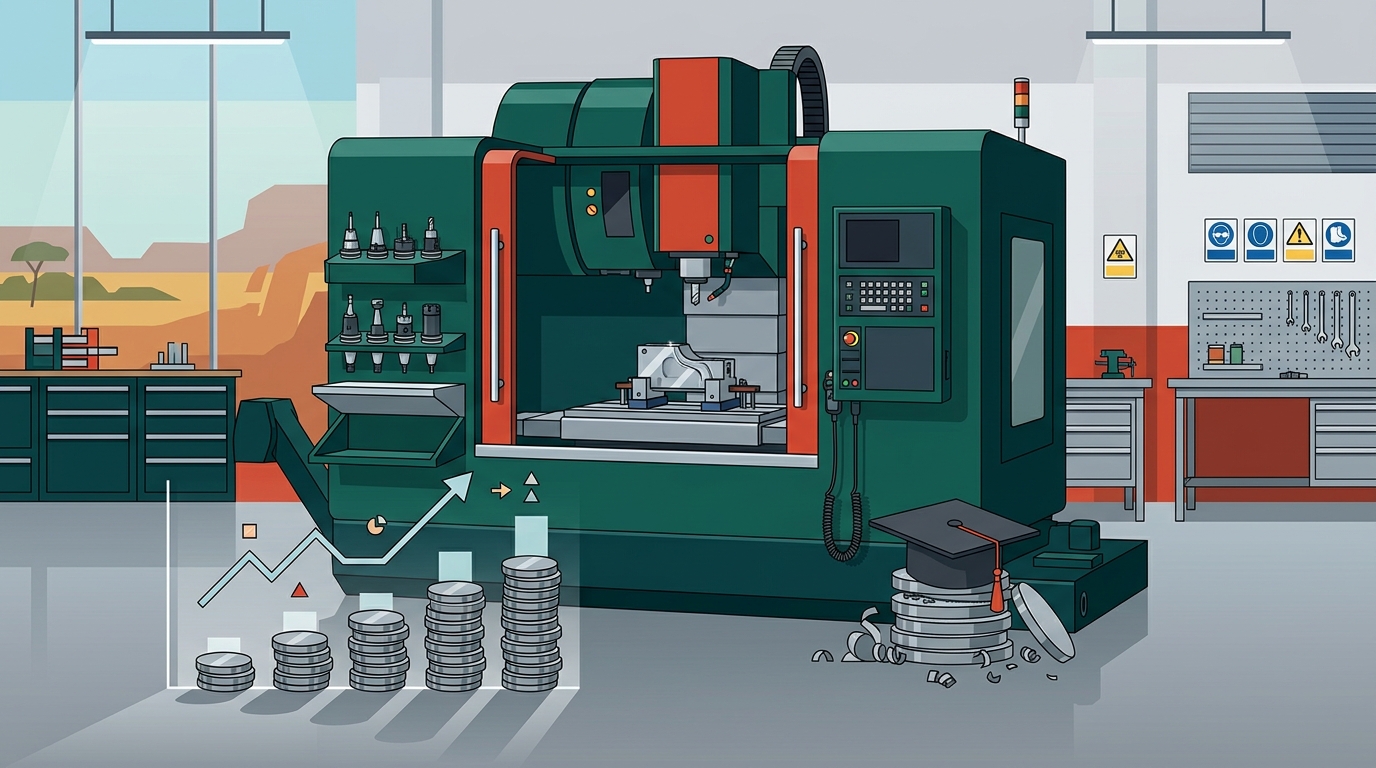
Turning operations are equally critical. A balanced program includes both manual lathes for foundational skill-building and CNC lathes for advanced automation training. Industry surveys indicate that over 60% of entry-level machining jobs require proficiency in CNC turning. Therefore, the ratio of CNC to manual equipment in a training facility should reflect this market reality.
Manual lathes, such as those from King Rich, are excellent for teaching fundamental cutting speeds, feeds, and tool geometry. CNC lathes then build upon this knowledge by introducing G-code programming and automated tool changing. This progression ensures students understand the "why" behind the machine's actions.
Grinding and EDM Machines
For advanced programs, surface grinders, cylindrical grinders, and EDM (Electrical Discharge Machining) machines are essential. These tools teach students about ultra-precision finishing and complex geometries that traditional cutting cannot achieve. Research from the National Institute of Standards and Technology shows that EDM processes are critical for producing high-tolerance components in aerospace and medical industries.
Integrating EDM into the curriculum prepares students for specialized roles in high-value manufacturing sectors. QMT Machinery provides a comprehensive range of grinding and EDM equipment, including wire cutters and die-sinking EDMs. Learn more about these specialized tools on the products page.
Total Cost of Ownership (TCO) Analysis
Procurement committees must look beyond the sticker price. The Total Cost of Ownership includes acquisition, installation, training, maintenance, and eventual disposal. For educational institutions, maintenance and downtime are the most significant hidden costs.
| Cost Factor | Low-Cost Import Machines | Premium Brands with Local Support |
|---|---|---|
| Initial Acquisition | Lower upfront cost | Higher upfront investment |
| Parts Availability | Long lead times, high shipping costs | Local inventory, rapid deployment |
| Technical Support | Limited or remote-only support | On-site expert technicians |
| Lifespan | Shorter, higher replacement frequency | Extended lifespan, better resale value |
| Educational Impact | Frequent downtime disrupts curriculum | Consistent availability for training |
The table above illustrates that while premium brands require a larger initial outlay, their long-term value is superior. According to economic analyses of industrial equipment, machines with robust local support networks reduce total operational costs by up to 30% over a ten-year period. This reduction is primarily due to minimized downtime and lower emergency repair costs.
Additionally, educational institutions can leverage government grants and industry partnerships to offset initial costs. Demonstrating the long-term TCO benefits strengthens grant applications and justifies the investment to stakeholders. For more insights on selecting the right equipment, read the QMT Machinery blog.
Key Takeaways for Procurement Committees
- Longevity Matters: Invest in brands with a proven history of durability, such as those supported by suppliers with decades of local experience.
- Local Support is Critical: Ensure the supplier has a physical presence in Australia for rapid parts and service delivery.
- Curriculum Alignment: Balance manual and CNC equipment to reflect current industry standards and job market demands.
- TCO Over Price: Evaluate the total cost of ownership, including maintenance and downtime, rather than just the purchase price.
- Brand Reputation: Partner with manufacturers who are trusted by industry leaders to ensure graduates are job-ready.
- Comprehensive Training: Include faculty training in the procurement package to maximize equipment utilization.
- Future-Proofing: Choose equipment that can be upgraded or expanded as technology evolves.
Frequently Asked Questions
How do I calculate the ROI of machine tools for a university program?
Calculate ROI by measuring graduate employment rates, starting salaries, and industry partner satisfaction. Compare these metrics against the total cost of ownership, including maintenance and replacement costs. A higher ROI is achieved when durable equipment leads to better graduate outcomes and lower long-term operational expenses.
What is the difference between manual and CNC machines for training?
Manual machines teach fundamental machining principles, such as tool geometry and cutting speeds. CNC machines introduce automation, programming, and high-precision capabilities. A balanced curriculum includes both to ensure students understand the underlying mechanics while mastering modern technology.
Why is local support important for educational institutions?
Local support ensures rapid response to technical issues and immediate access to replacement parts. This minimizes downtime, which is critical for maintaining a consistent training schedule. It also provides access to expert technicians who can assist with complex repairs and maintenance.
Which brands are recommended for Australian TAFE programs?
Brands with a strong presence in the Australian market and a history of reliability are recommended. Suppliers like QMT Machinery partner with global brands that meet stringent quality criteria and provide local backing. This ensures that the equipment is both technologically advanced and logistically supported.
How often should machine tools be replaced in a training environment?
The replacement cycle depends on usage intensity and maintenance quality. High-quality machines from reputable brands can last 15 to 20 years or more with proper care. Regular maintenance and timely upgrades can extend the lifespan and keep the equipment relevant for training purposes.
What types of machines are essential for a modern machining workshop?
Essential machines include manual and CNC milling centers, manual and CNC lathes, surface grinders, and EDM machines. This combination covers the full spectrum of machining processes, from roughing to finishing, and prepares students for a wide range of industry roles.
Can educational institutions get funding for machine tool purchases?
Yes, many government grants and industry partnerships are available to support equipment upgrades in technical education. Demonstrating the alignment of the equipment with industry needs and the long-term benefits to students can strengthen funding applications.
Partner with QMT Machinery for Your Training Program
Investing in the right machine tools is an investment in the future of Australian manufacturing. By choosing equipment backed by decades of local expertise and global brand reliability, educational institutions can ensure their graduates are prepared for the demands of the modern industry. QMT Machinery offers a comprehensive range of milling, turning, grinding, and EDM equipment tailored for educational use.
Contact the QMT team today to discuss your specific training needs and explore how their market-leading service and unmatched value can support your institution's goals. Visit the Contact Us page to get started.